Trip East — Boston redux and home

I had made a reservation for a rental car months earlier, to be picked up in Acton, Mass. Ed drove me out to the location Monday morning.

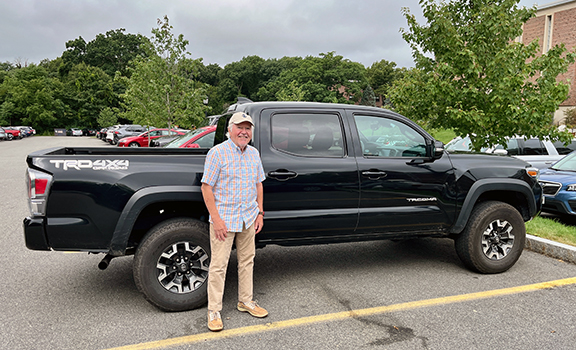
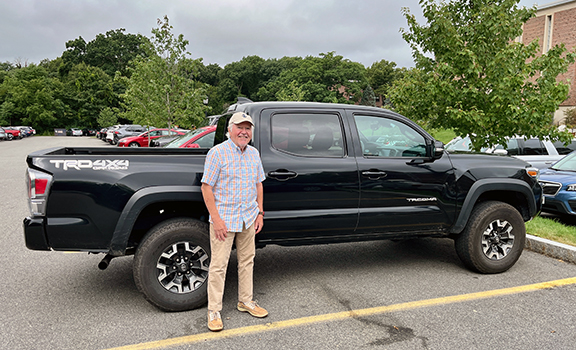
From the cars offered online, I had selected a Mazda CX-5 SUV, which is the same model as I have at home. I figured I would know how to operate things. The Avis rep in Acton, however, told me, “We haven’t had a Mazda out here for years.” Okay. I was then informed I had two vehicles on the lot from which to select, because  I was returning to Logan Airport and Avis wanted them there. I would not pay extra. One choice was a minivan and the other choice was this.

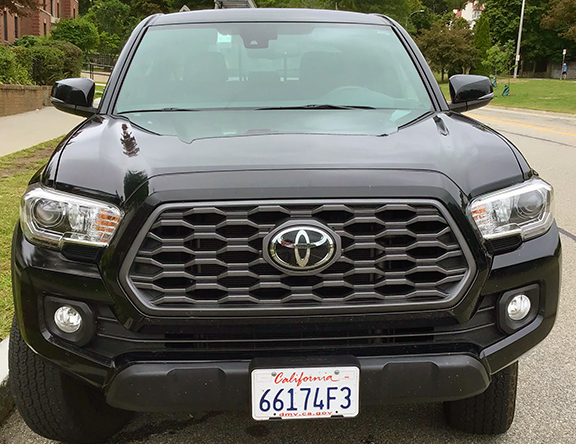
Of course, I took the Tacoma. I’d never driven a vehicle this big, but I figured it would be fun. And it was. Kinda weird, but it had California plates.

When I was getting gas later in Winchester, the attendant asked, “You didn’t drive that here from California, didya?”

The picture of me and the truck was taken by Nate Kenyon, director of marketing and communications at BC’s Law School, the first BC person I visited that Monday. Later, I met Maureen Raymond outside the Lower Dining Hall, now officially Corcoran Commons. Maureen and I had worked together at the Lynch School and we’re almost “related.” Her daughter and the son of my cousin Kathy are married.

We were joined soon by Taylor Mooney, the liaison at BC for our alumni chapter in San Diego, whom I had only met earlier through Zoom. It didn’t take long for Maureen and Taylor to recognize each other — Maureen had been Taylor’s advisor at the Lynch School.

I later met Mary Ellen Fulton, also a former colleague at the Lynch School, at a bakery in Newton Centre and then headed back to campus to reconnect with Lee Pellegrini, with whom I worked at BC back in the ’70s when we started Boston College Magazine. Lee is still taking great photos for BC.

Jumped in the truck and set out for Plum Island, near the border with New Hampshire, to spend the night at the home of the aforementioned cousin, Kathy. Was a bit tough to get the truck next to her Jeep in the driveway of her small cottage, but did it. Always a joy to catch up with her and her family, and with our ancestors, in photos.

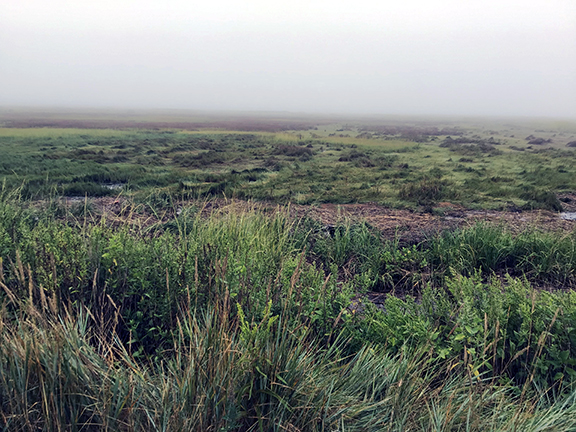
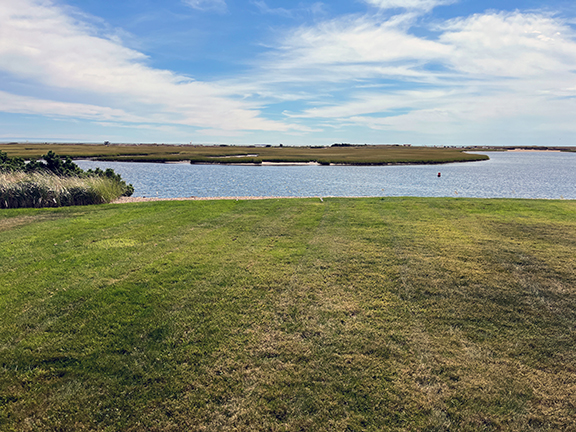
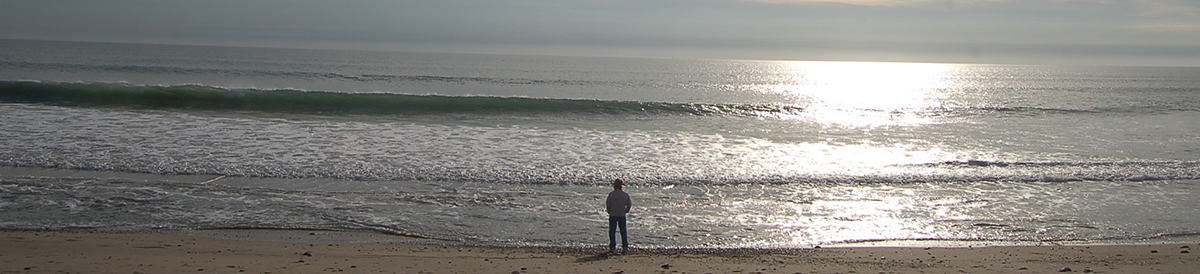
Her location is more coastal than mine and is not at all similar, except maybe for fog. Here’s a view.

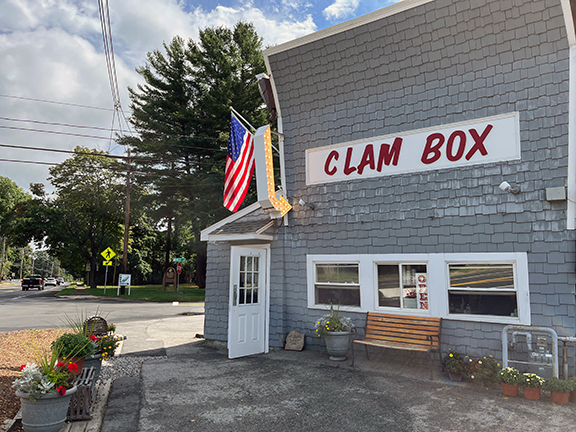
At some point, I realized I had not had fried clams yet. The New England way, with “bellies.” And I was in one of the best fried clam regions in the country — the North Shore. On my way back on Tuesday, stopped at the famed “Clam Box” in Ipswich and brought clams back to Winchester for lunch.

Later Tuesday, visited with Tom Burke in West Roxbury and then with Margaret Evans and husband Rob Sternstein in Brookline. (Why didn’t I take any pictures? Isn’t that what phones are for?!)

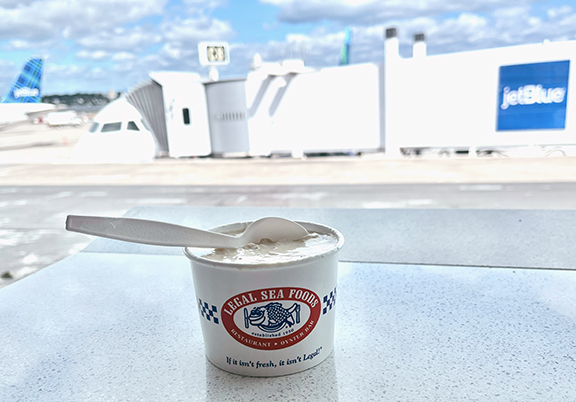
Wednesday was just prep for my departure later in the afternoon. Smooth transaction returning the rental truck and usual stop at Legal Seafood in the terminal at Logan to pick up some clam chowder.

Long plane ride back to San Diego, especially with the entertainment not working in my row. I had brought a book to read on the trip, but hadn’t started it. I took it out and read the 303-page novel. Still had an hour to go on the flight when I finished. 

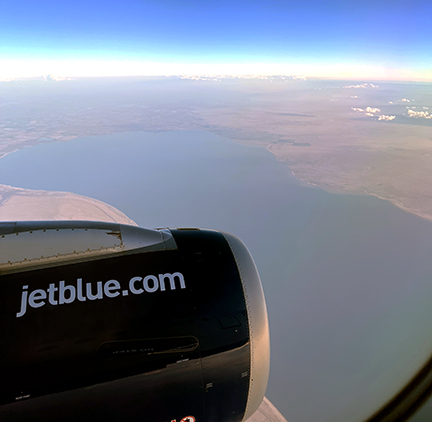
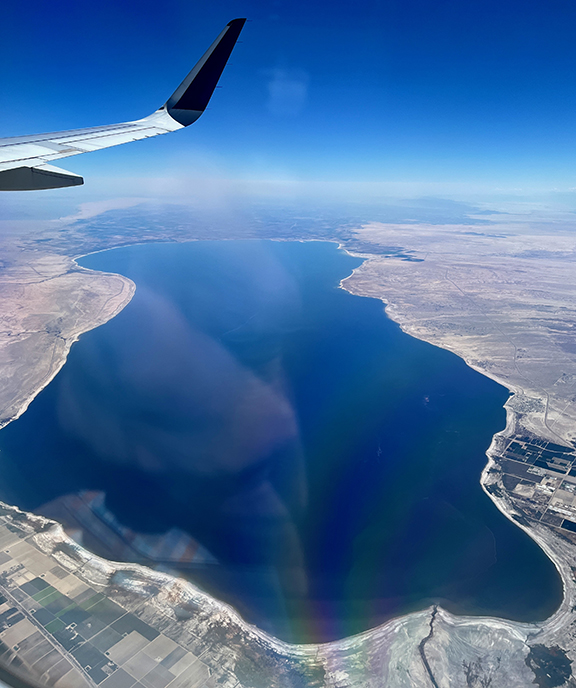
We took same route by Salton Sea in reverse this time. The lighting just wasn’t as complimentary as on the way out.

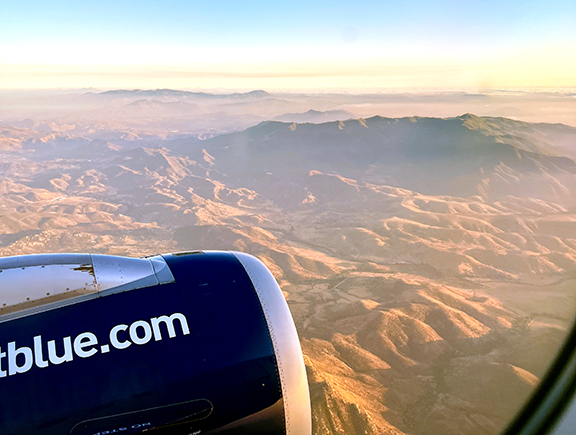
But the setting sun gave nice shadowing to the hills just west of San Diego.

Thankful to be home and not on the road. Miss the family and friends there and happy to join friends and family here.


Trip East — Chatham out and about

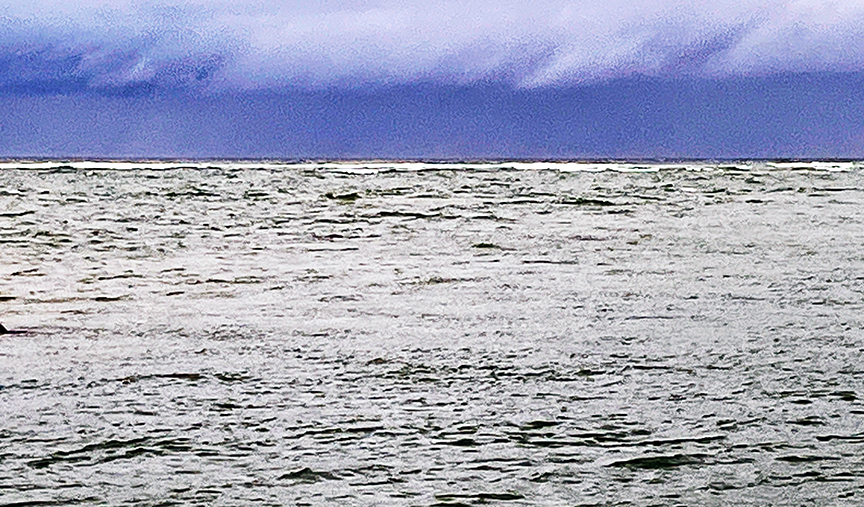
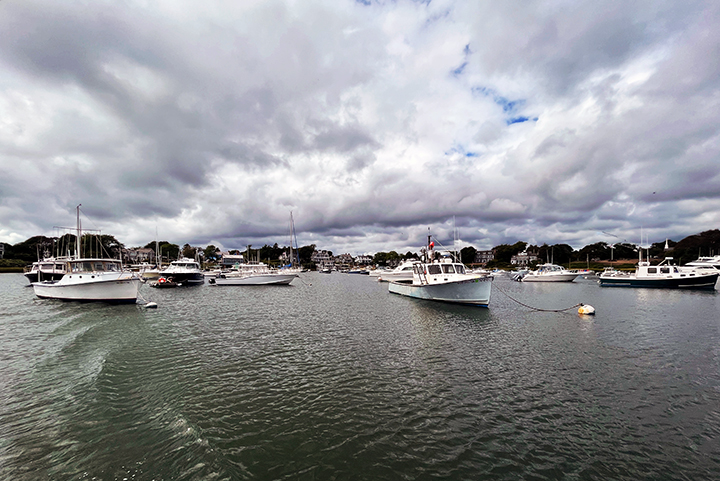
There’s often local reference to the “Chatham bars.” It’s not the nightlife, but the sandbars offshore. This was the scene on our harbor tour, showing waves breaking white-capped on the bars.

While the Chatham base was very comfortable and relaxing, we also got out to see more of the eastern end of the Cape.

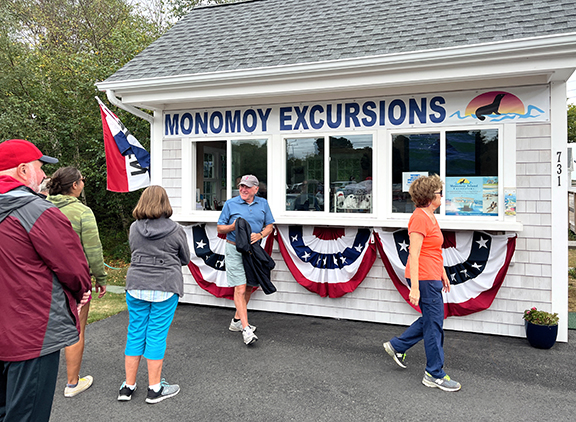
The one excursion in which we all participated was a waterborne tour of Chatham Harbor and Monomoy National Wildlife Refuge.

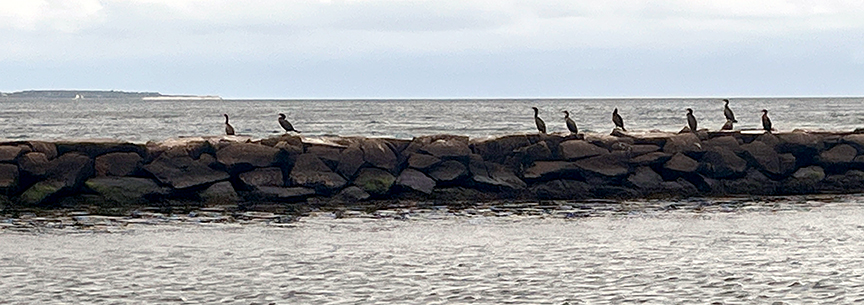
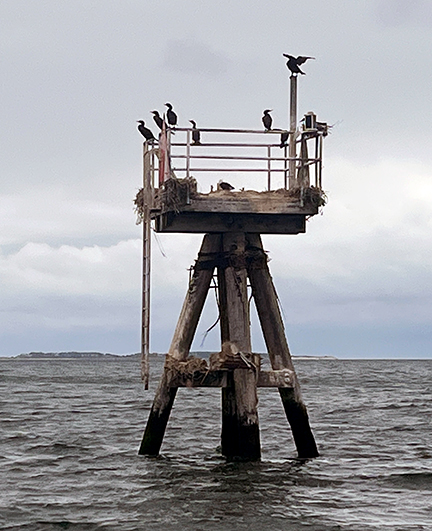
Lots of sea birds.

And seals! Here’s a brief (30 sec) video.

 And boats.

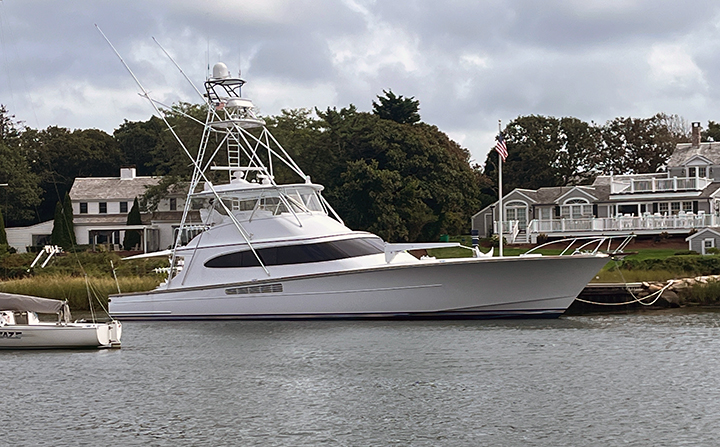
Including big yachts.

Pat, Tom, and I also made an excursion to Provincetown at the northern tip of the eastern portion of the Cape. Enjoyable place, with a certain style.

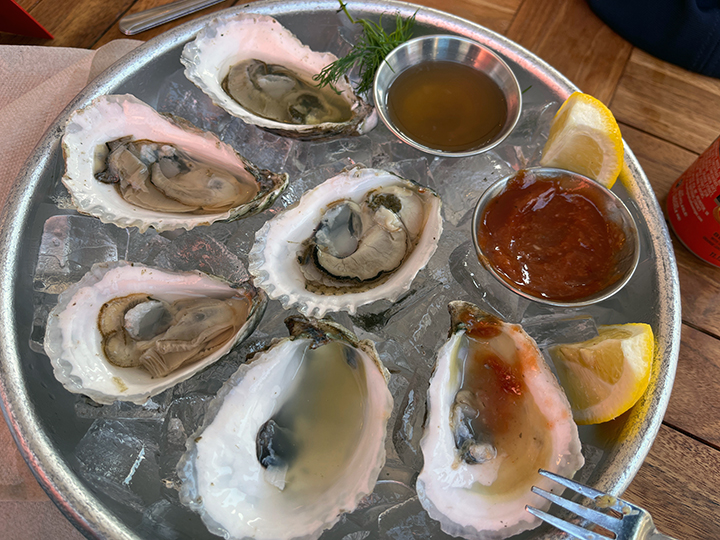
But first, a stop for oysters on the half shell. (I rushed to consume, and had two before I remembered to take a photo.)

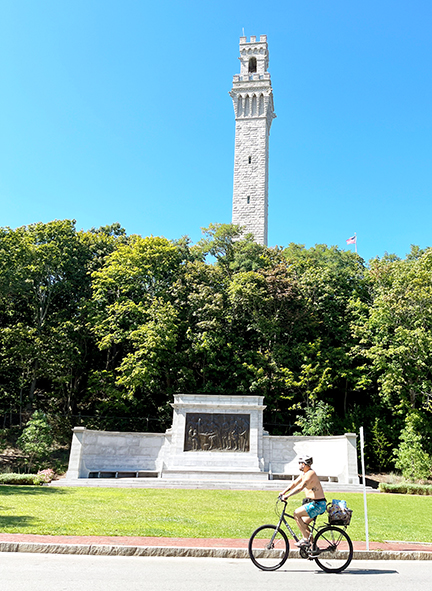
At 252 feet in height, the Pilgrim Monument in Provincetown is the tallest all-granite structure in the U.S.

Then out to enjoy the scene.

Had the chance later to catch up with Cape friends, too.

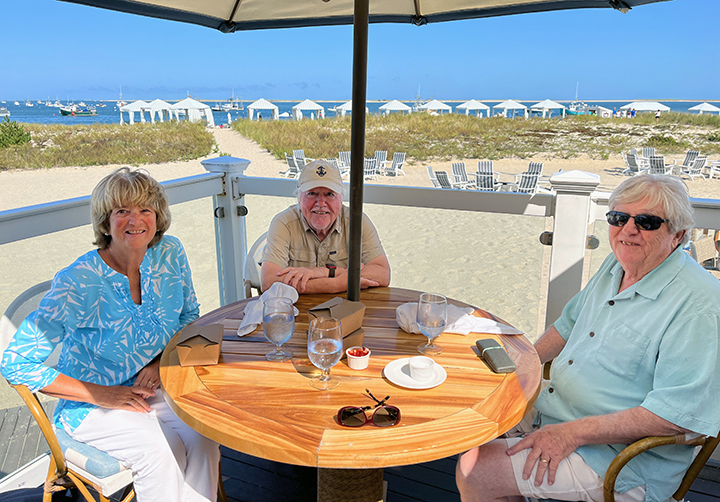
Lunch on the beach at the Chatham Bars Inn with Karen and classmate Richard Sullivan.
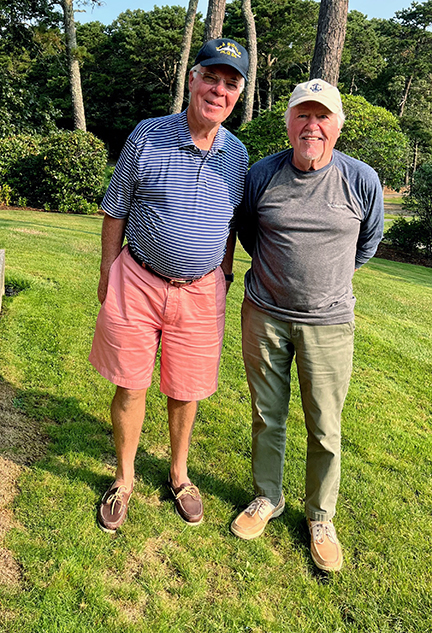
After breakfast at the Cranberry Valley Golf Course with classmate Steve Curran and his wife, Kathy. She took the picture. Steve and I didn’t know each other at BC. We met when we ended up shipmates in the Navy, aboard USS Biddle (DLG-34).

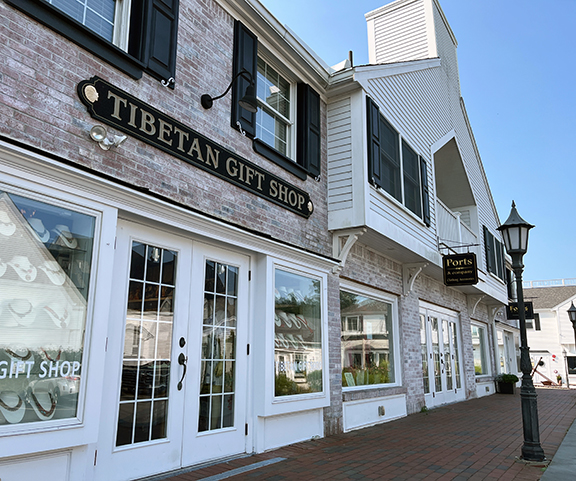
Steve and Kathy dropped me off in “downtown” Chatham for souvenir shopping.

Talk about a classic New England scene.
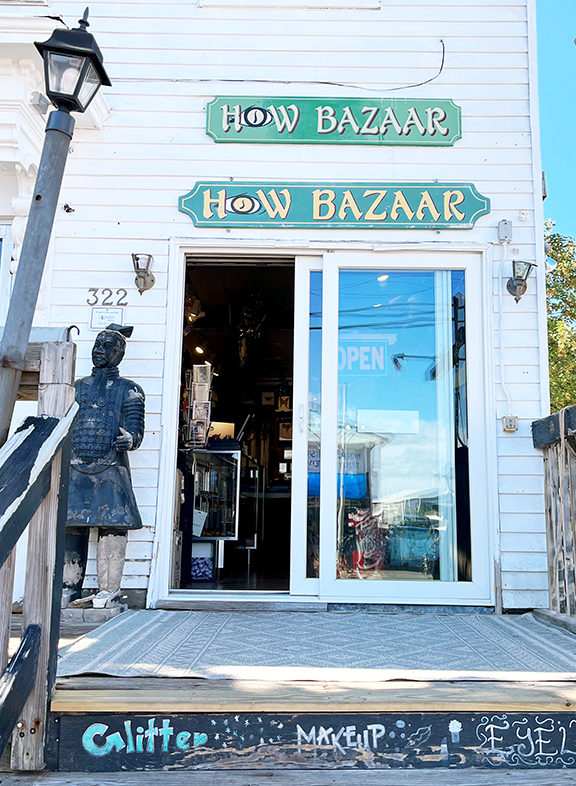
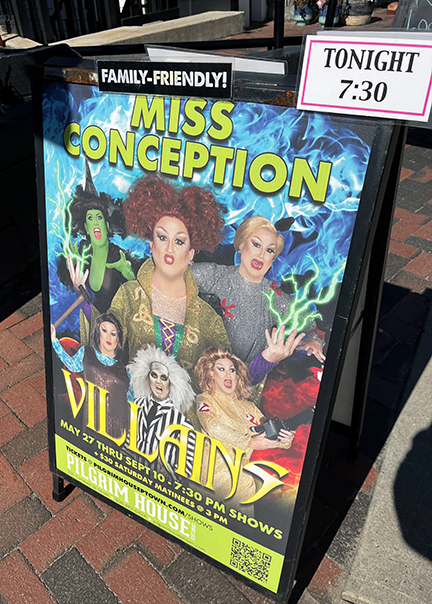
Wanted to get this, but didn’t.
Skipped Tibetan stuff, too.

Too soon our idyllic time on the Cape was over. Most of us split up to head home, but I had a few more days in the Boston area. Jackie and Ed were kind enough to bring me to their place in Winchester, northwest of Boston proper. And that’s the next post.

Next: Boston redux and home

Trip East — Chatham base

The main purpose of the trip East this year was to join classmates and friends for a week in a nice place and just enjoy each other’s company and the place around us.

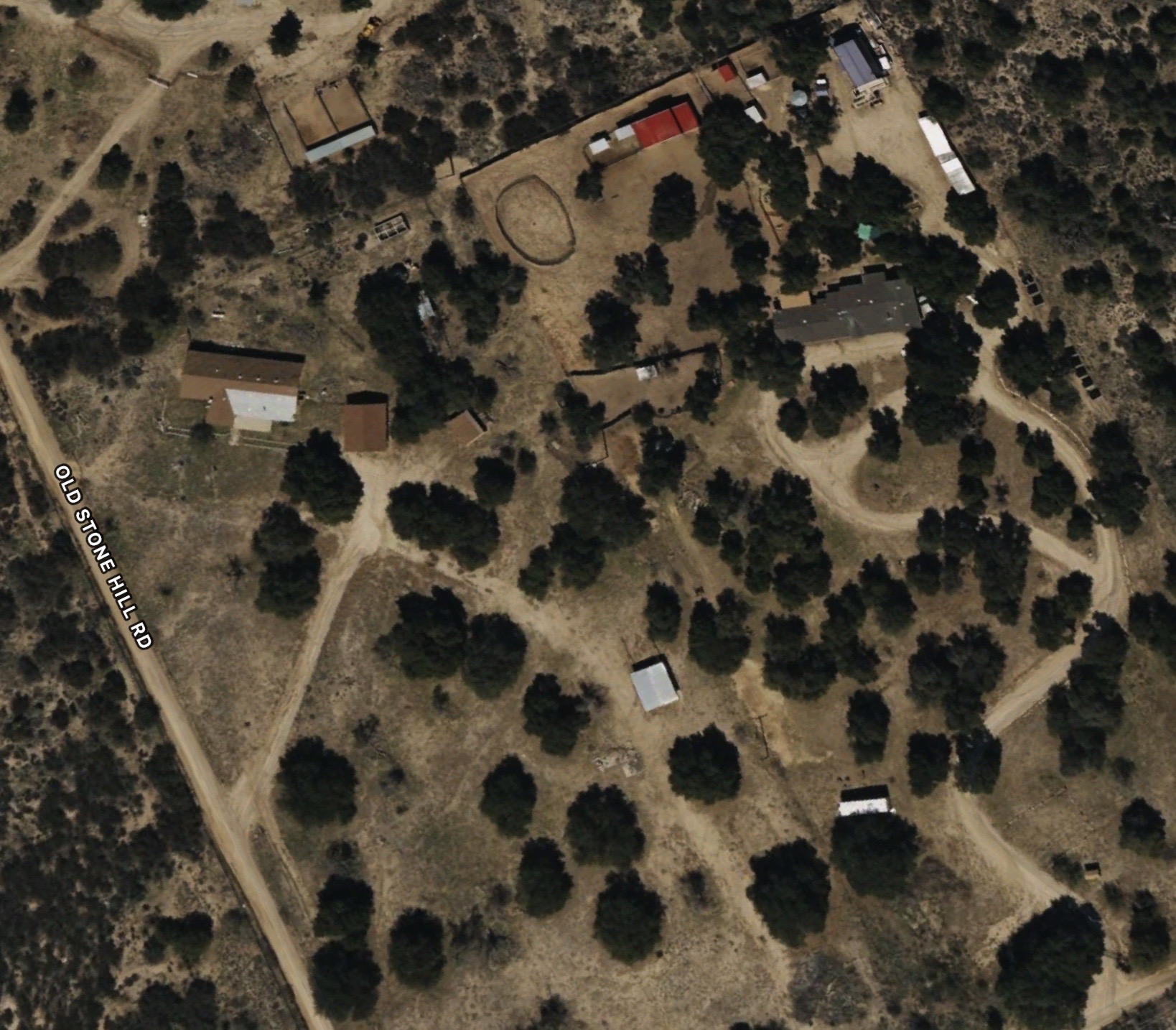
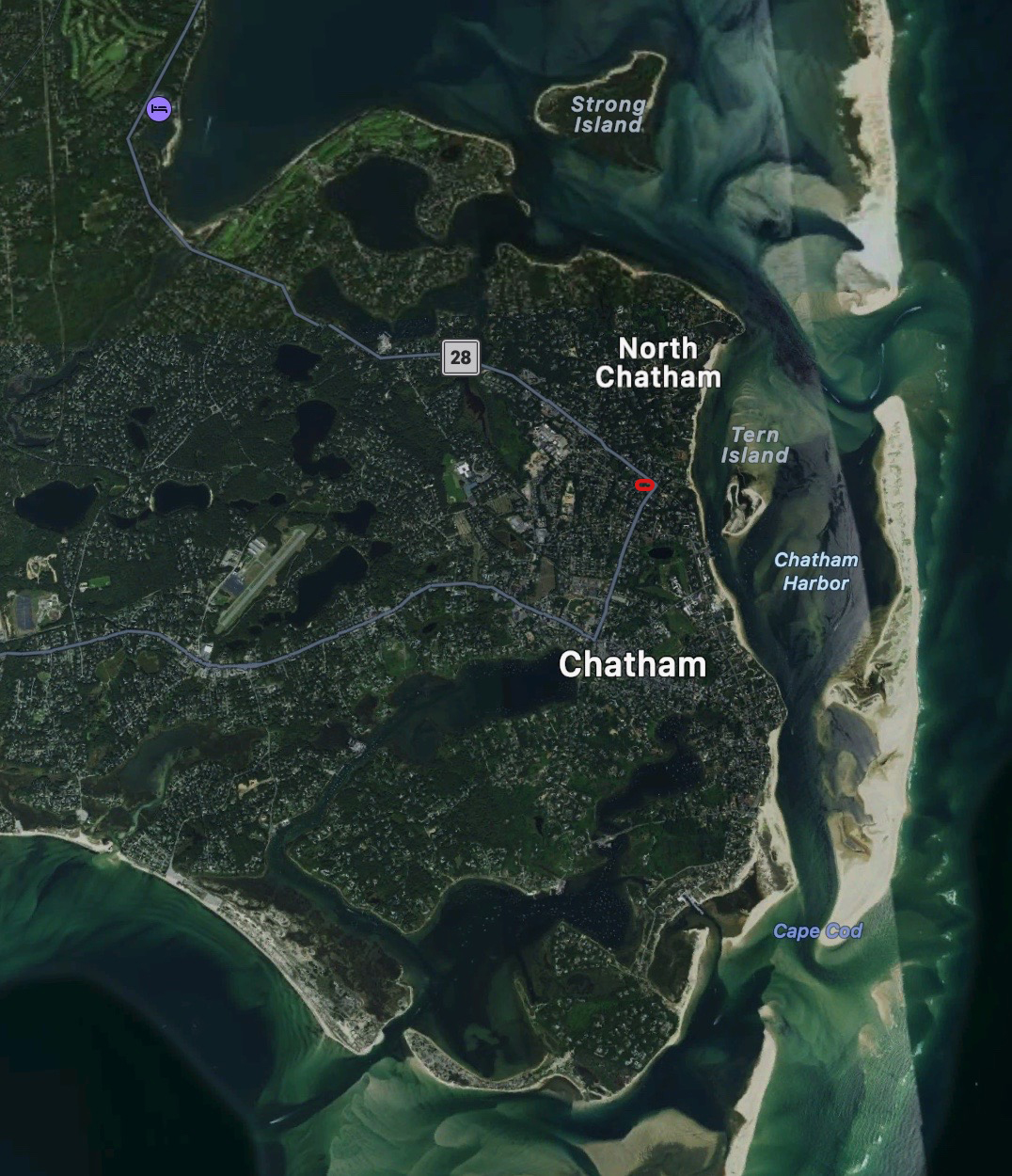
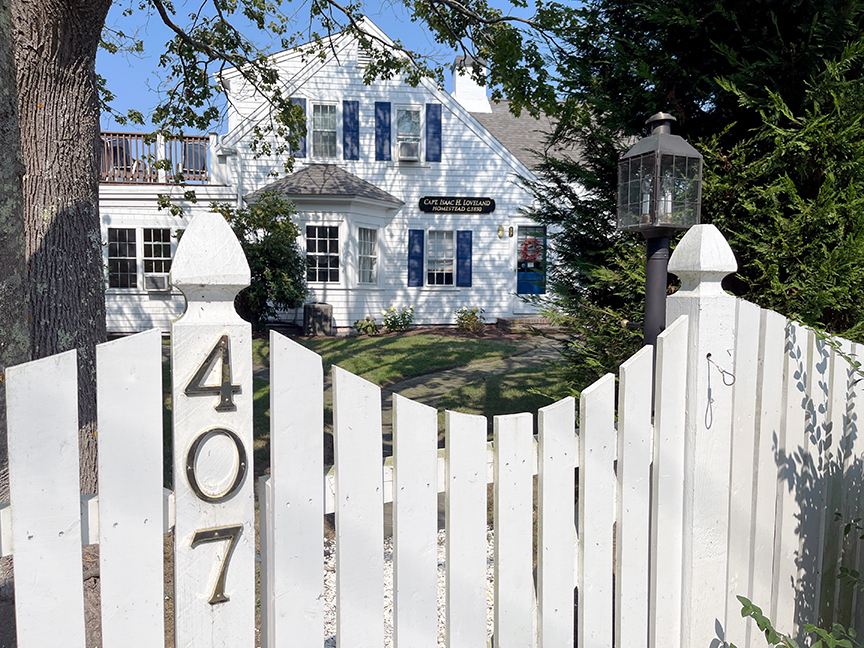
We (particularly the Downeys) chose Chatham, located at the outside edge of the crook of the Cape Cod “elbow.” Again, for those who could benefit from orientation, here’s an overhead of Chatham. The red oval marks the location of the house in which we were staying.

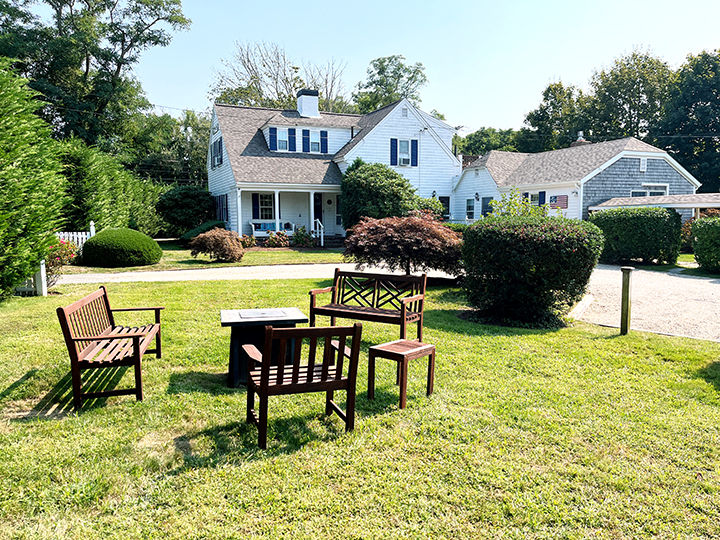
Pictures, of course, do it more justice.

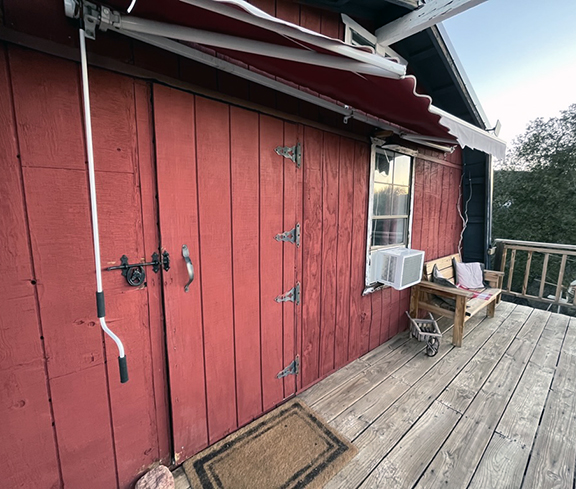
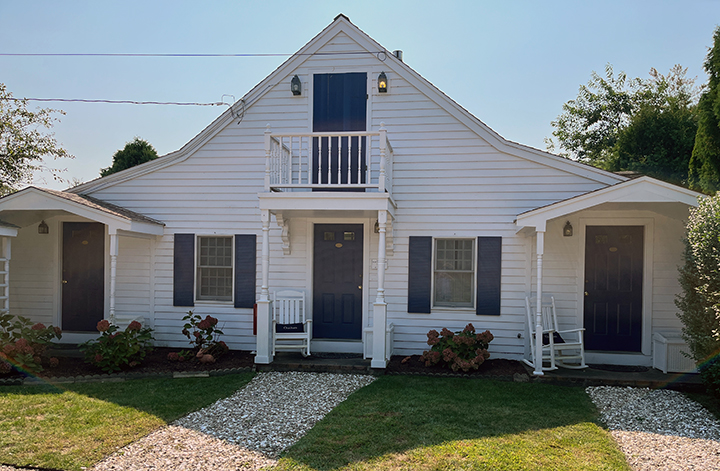
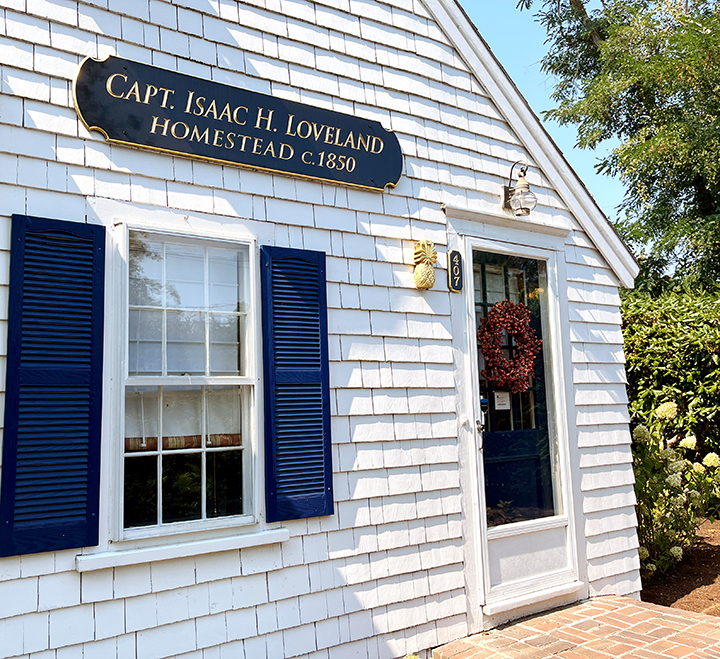
Some of the house had been the c.1850 homestead of Captain Isaac Loveland. Ken and Debbie Hamberg, Ed Hattauer and Jackie Hewitt, and I each took one of the three rooms in the “stables” (below and just out of the picture above to the right).

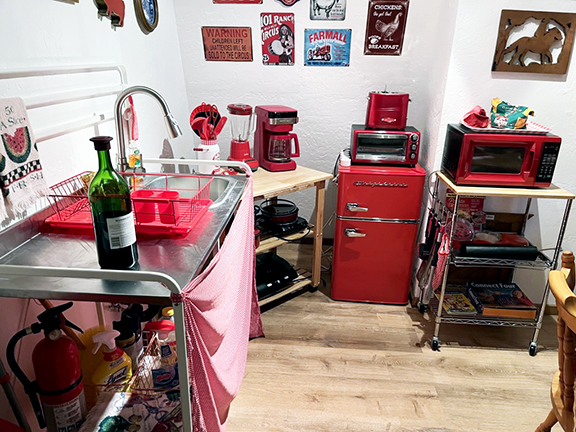
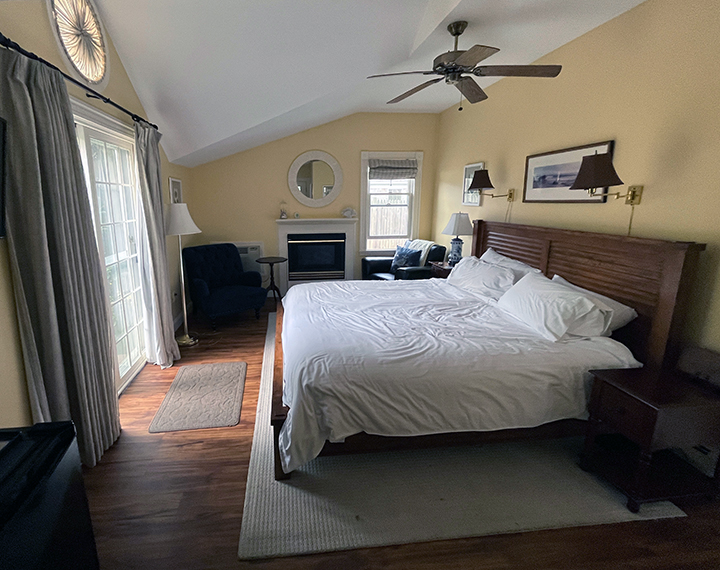
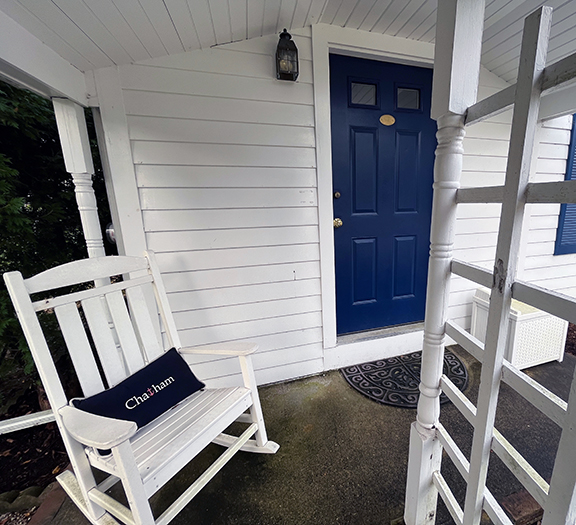
This was my “stall.”

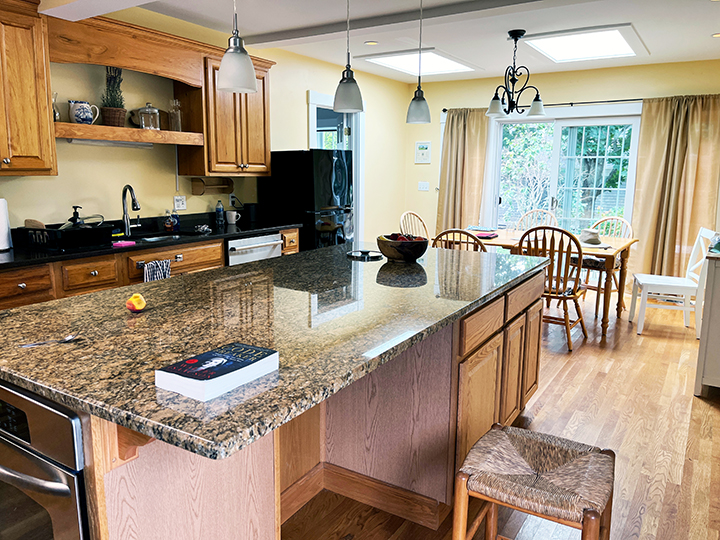
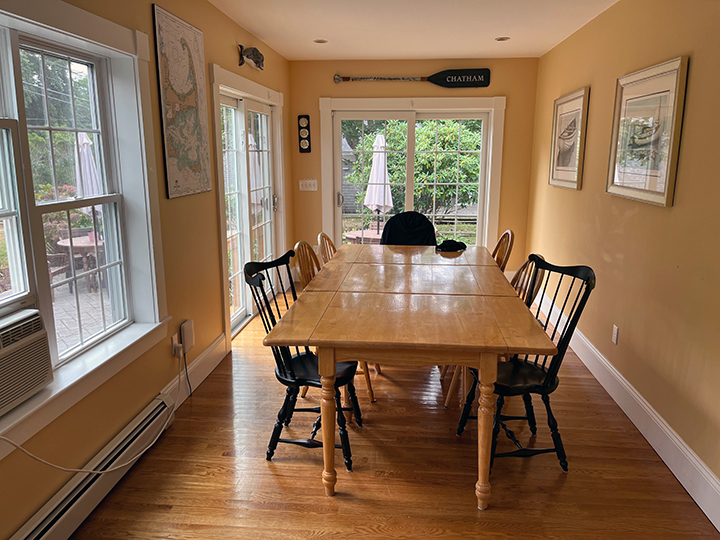
Inside of the main house wasn’t too shabby either. Here’s the kitchen.

Seven bedrooms, each with bath, plus a half-bath. 

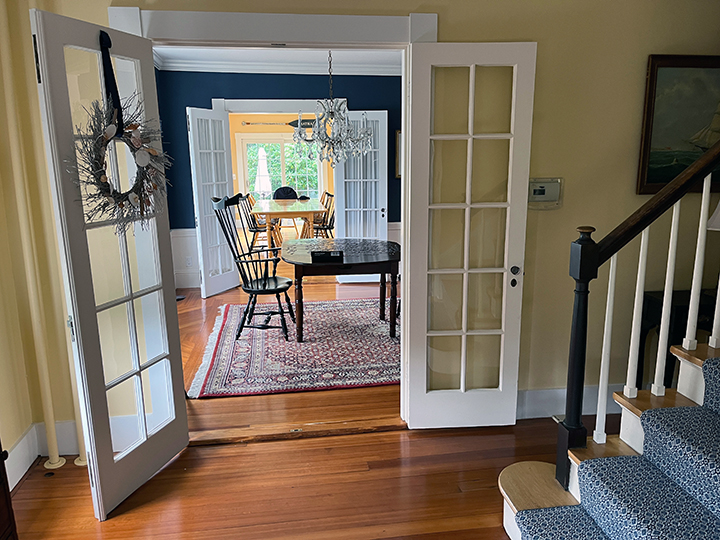
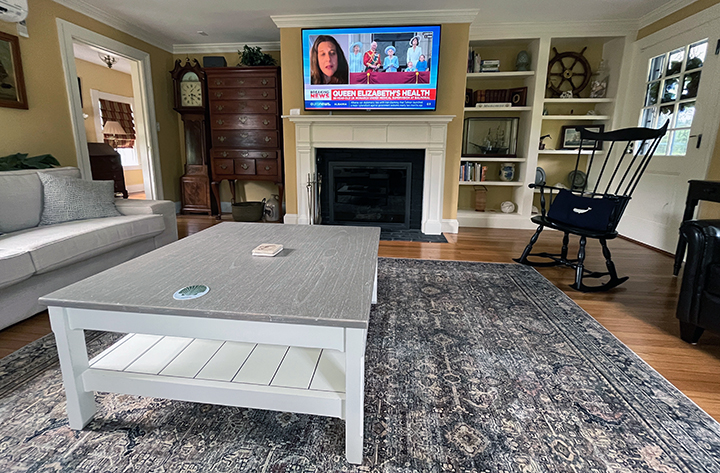
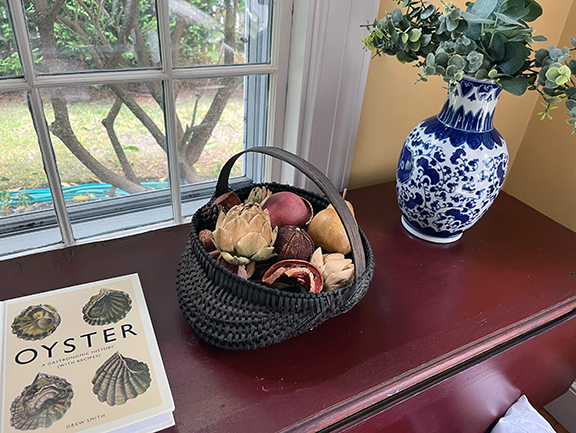
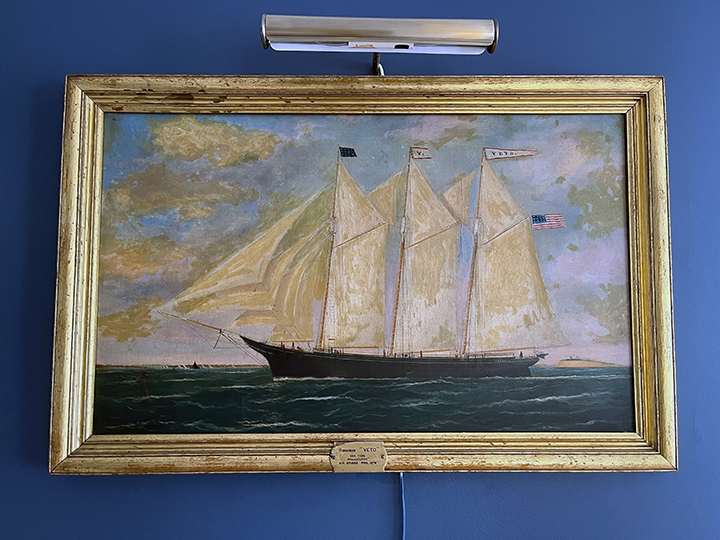
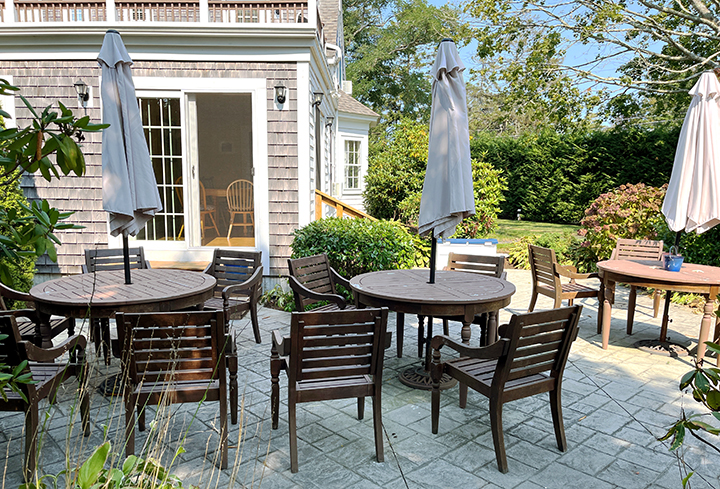
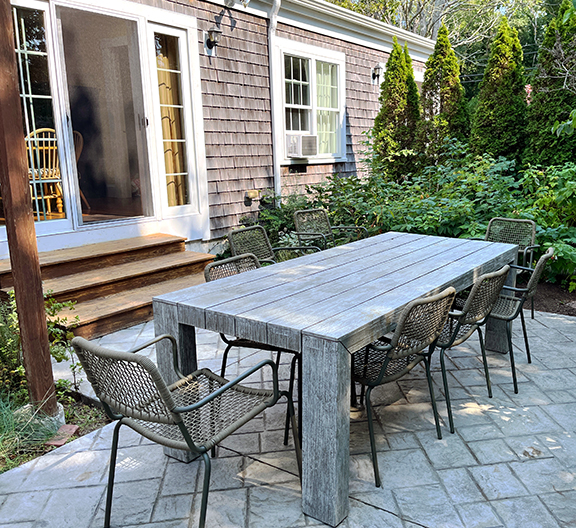
Here’s a gallery of photos of the interior of the main house.

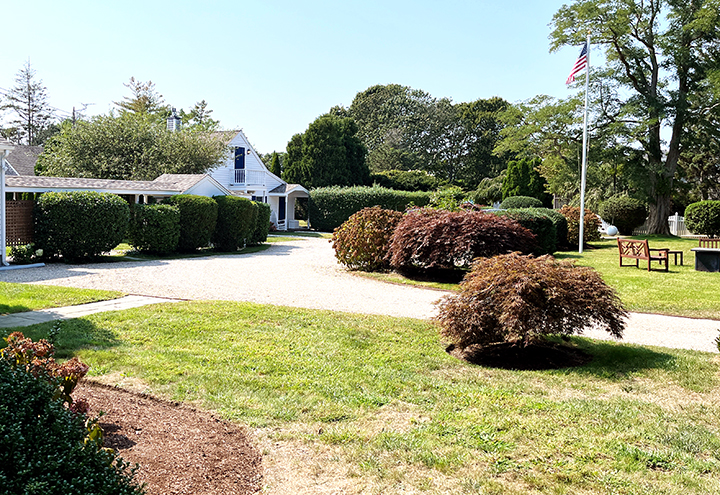
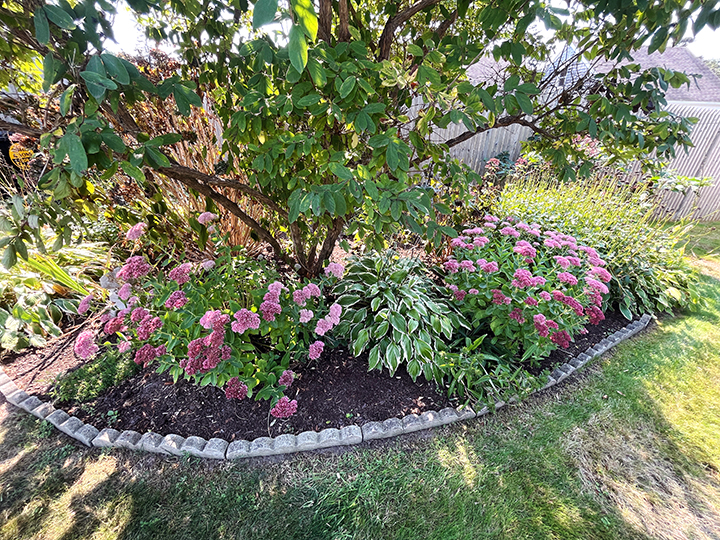
We also spent a lot of time outside, often for dinner. A gallery of the outside space.

At one point, while some of us were sitting outside, we had visitors.

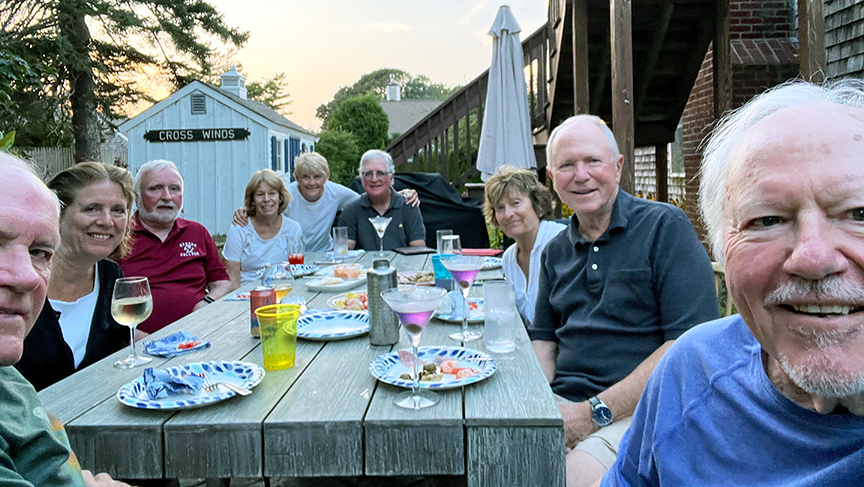
This was at our last dinner at the house.

L-R: Ken Hamberg, Jackie Hewitt, Ed Hattauer, Pat Sugrue, Shelia Downey, Dan Downey, Debbie Hamberg, Tom Sugrue, and me. Marcy Kenah had left for home.

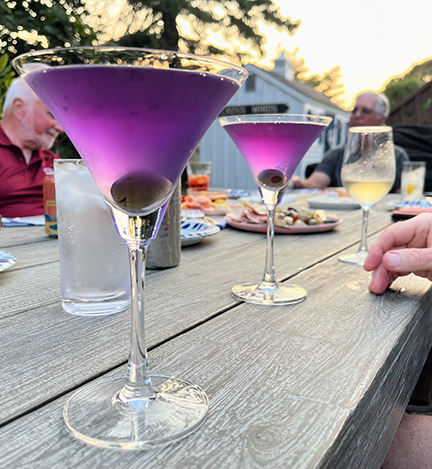
That dinner featured my annual martini with Tom. This year, purple!
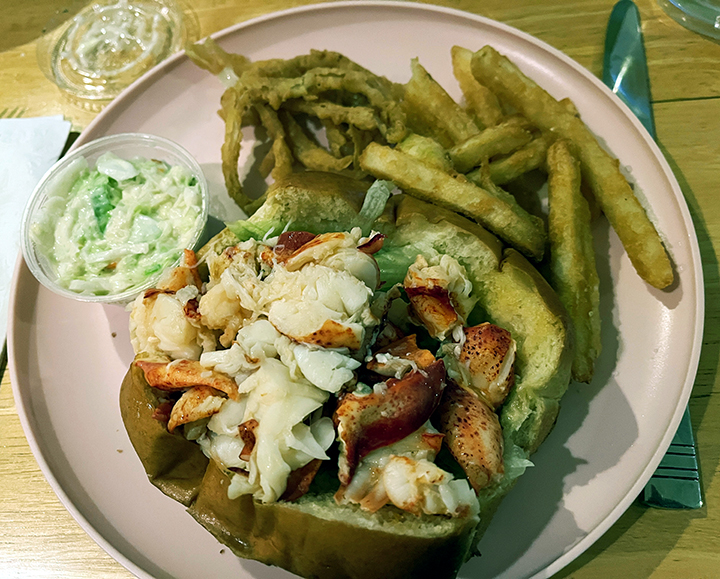
Among our meals, of course, was lobster, in both whole and roll forms. This was my lobster roll.

We got out and did some things, too. That’s in the next post.

Next: Chatham out and about

Trip East — West Dennis

The day after the BC game, I joined Pat and Tom Sugrue on their way to Cape Cod. We were all due to gather in Chatham Monday afternoon, but Pat and Tom were to meet friends that Sunday and I was going to visit Susan and Reid Oslin.

After visiting with David Gay and his wife in Bourne, the Sugrues brought me to the Oslins’ home in West Dennis.

For those who could use some orientation, here’s a satellite view of the Cape. West Dennis is just left of Dennis Port on the southern edge.

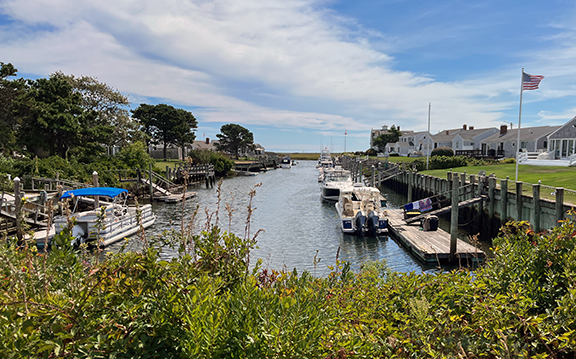
Before going to the West Dennis Yacht Club that evening, we took a short walk around the area. West Dennis is marked by its interaction with the Atlantic.

The “Dennis fingers,” protrusions of land. were constructed by the developer of this part of the community.

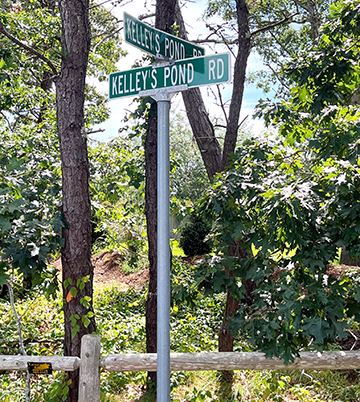
I was glad I was with residents of West Dennis, because I might have gotten confused by some of the street signs in the neighborhood.

The occasion for a visit to the Yacht Club was . . . fireworks! You know, the Labor Day fireworks. ??? Seems fireworks intended for the 4th of July were never expended because of COVID regulations. Here’s a brief video of fireworks, Labor Day-style. (There’s an error in the title. It should read “West Dennis Yacht Club.”)
Next: Chatham Base

Trip East — BC

In late August, I started a two-week trip “back East.” Caught a BC game, enjoyed a week on the Cape with good friends, and finished with family and friends in the Boston area.

Two interesting views on the way to Boston. First, soon after departing San Diego, we flew just north of the Salton Sea. This was the first time I’d seen it from this perspective. Brilliantly blue, this view belied its troubled state.

Salton Sea

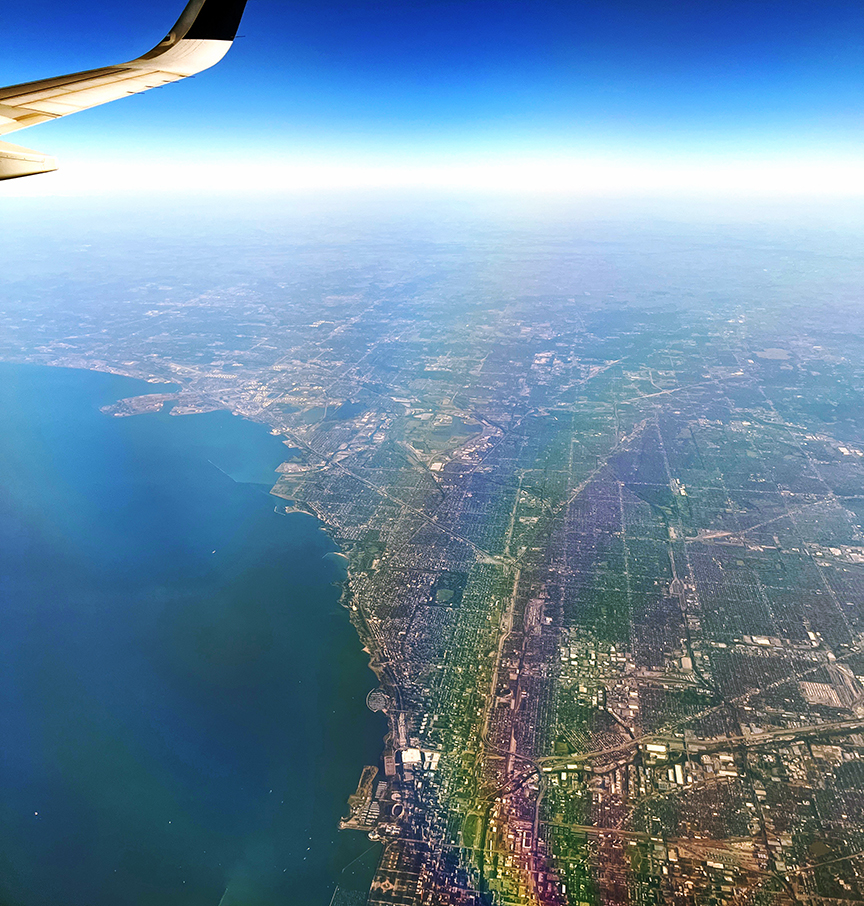
Later, we flew over Chicago.

Chicago, south side.

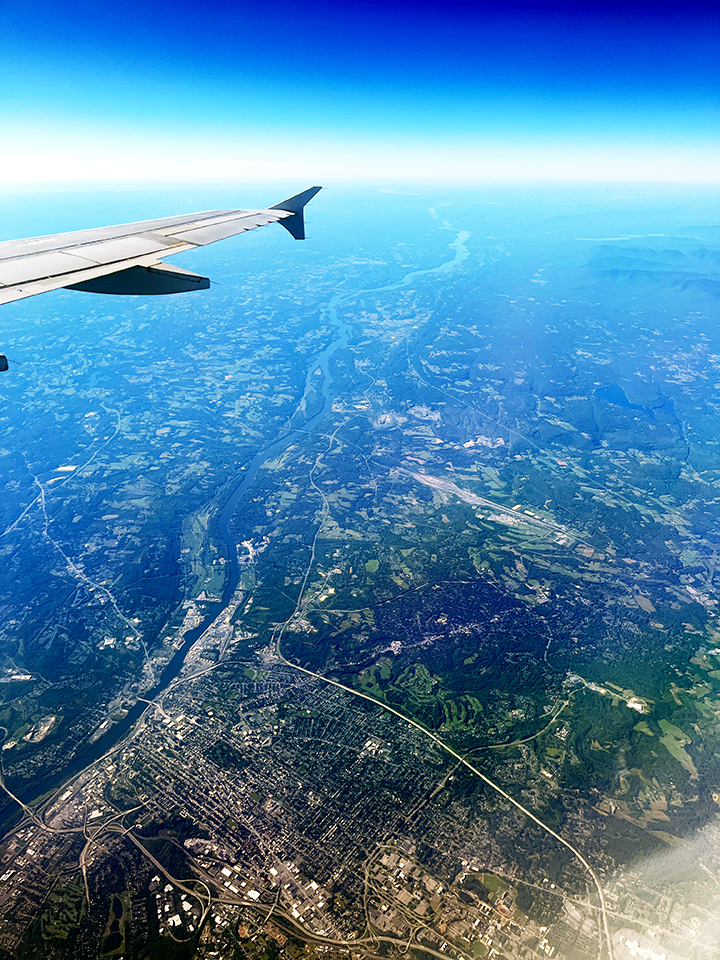
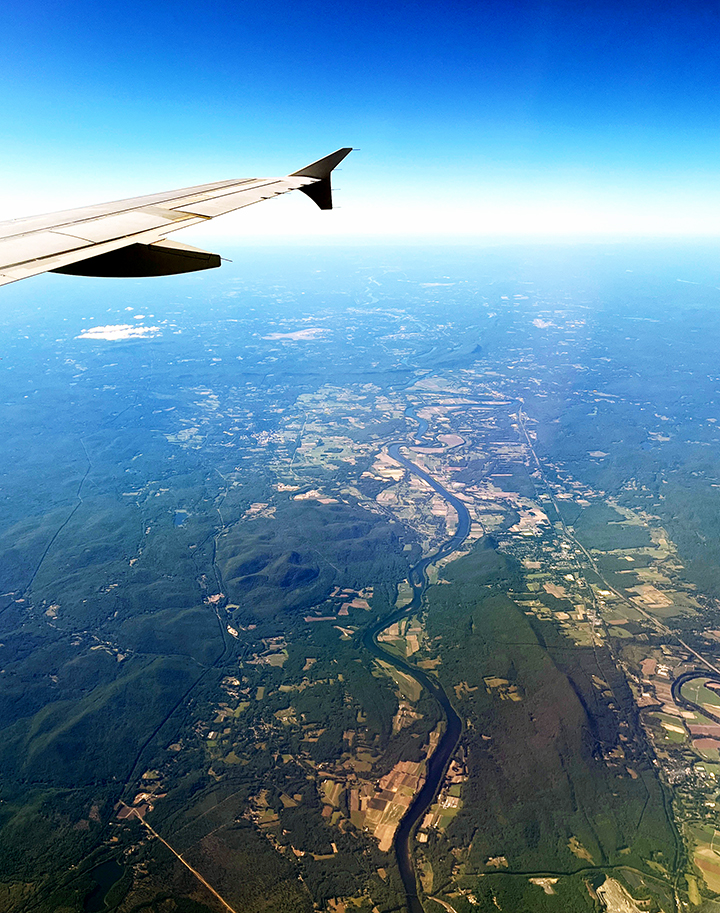
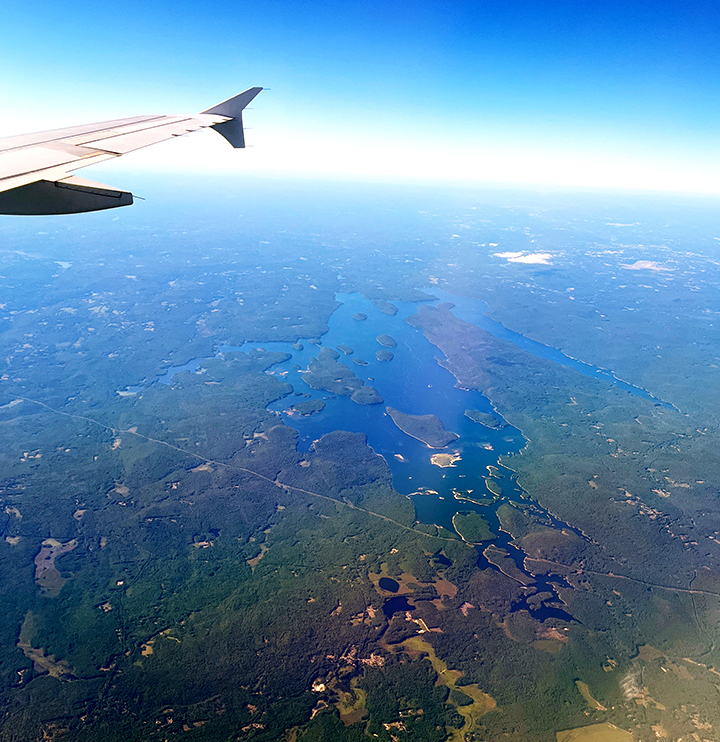
East of Chicago, we went over two distinctive and storied rivers, the Quabbin Reservoir, and took an unusual route into Boston. My usual flight is a red-eye, so this was a nice opportunity to see things I usually didn’t.

Hudson River
Connecticut River
Quabbin Reservoir, central Massachusetts

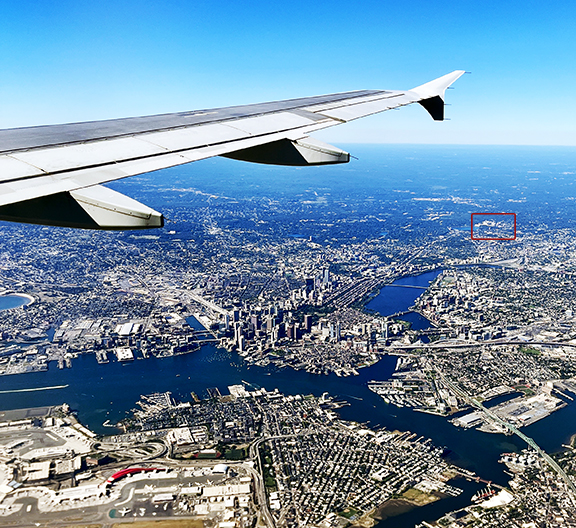
Our route to Boston included flying directly over Logan Airport, so we had this uncommon-to-me view of the city. The red rectangle in the right-hand portion of the photo marks the BC campus.

Visiting with BC classmates, we (at least the guy portion) attended the opening football game on Labor Day weekend against Rutgers.

Here is a brief video of the BC band as it marched through tailgate land to Alumni Stadium.

Tailgating near Gate A were these Golden Eagles.

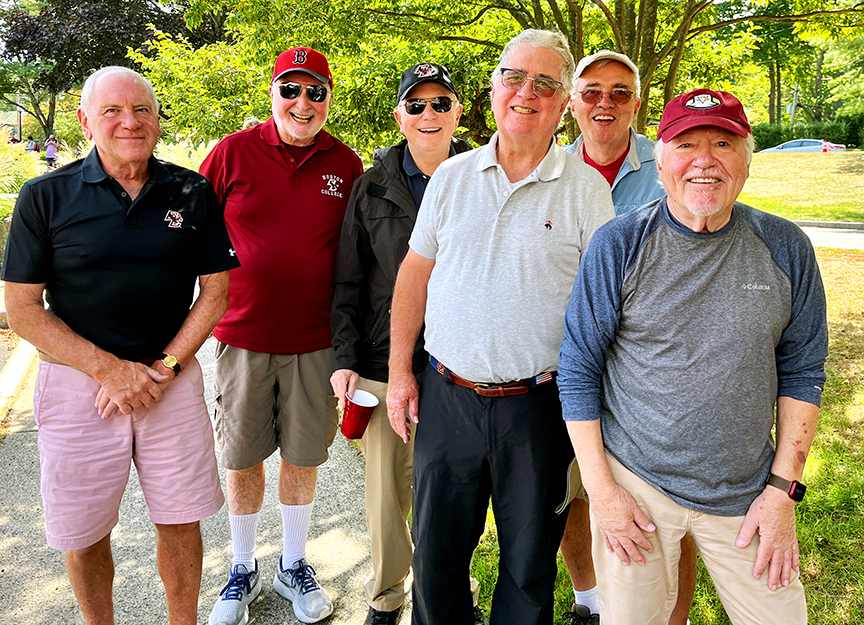
All members of the Class of 1968, L-R: Ken Hamberg, Ed Hattauer, Tom Sugrue, Dan Downey, Ken Higgins, and yours truly.

Here is a brief video of the team entering the stadium.

Most of us had high hopes for the Eagles this season. Those hopes were slightly dampened by the 22-21 loss to Rutgers in this game and then steadily drowned in subsequent games. 

But . . . as always . . . go Eagles!

Next: West Dennis

Paris

We very likely made our way to Paris by this date in 1972. There was not that much to keep us in Nice. And Paris was our last stop before home!

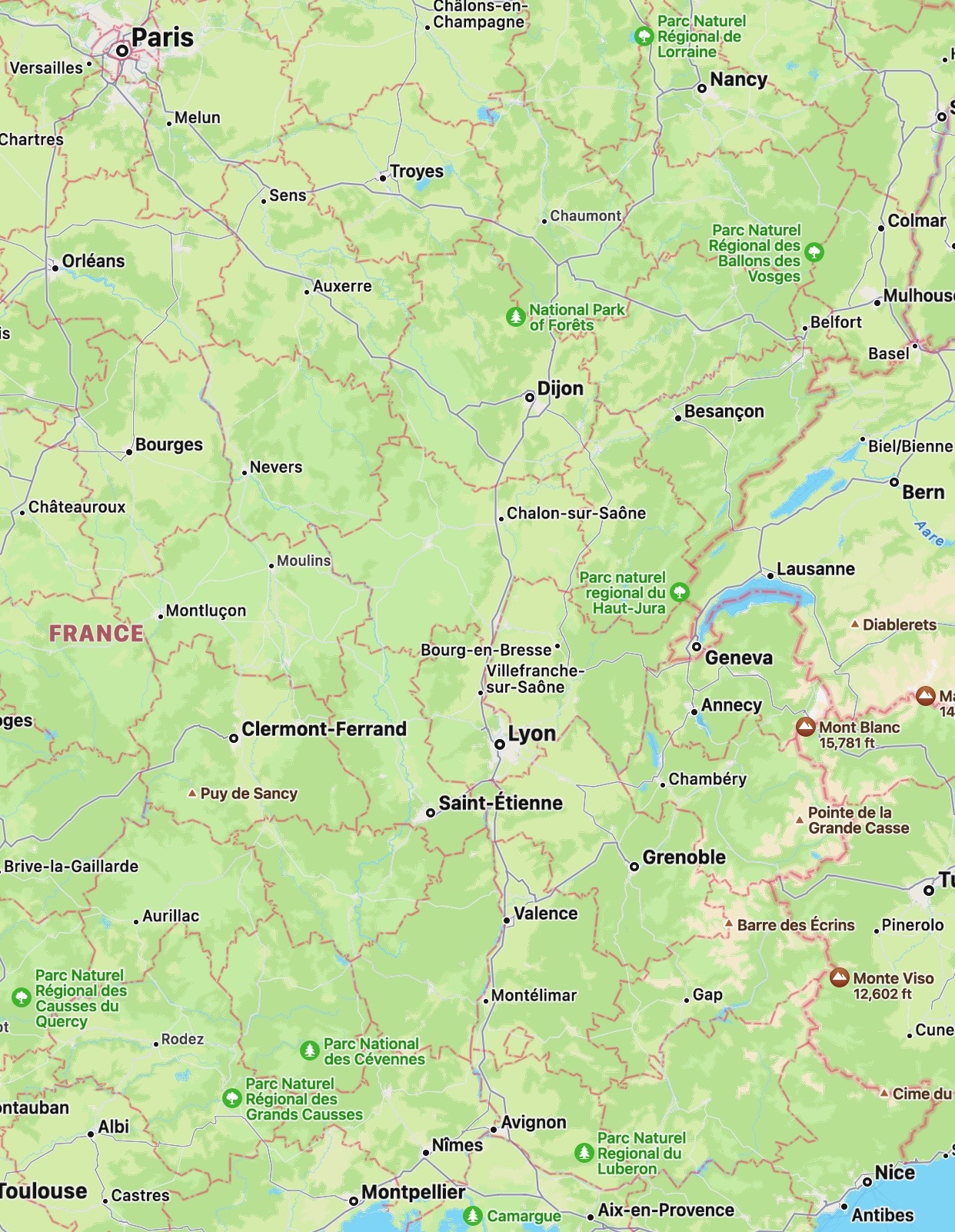
Kevin recalls it was an overnight train, which seems logical. The distance is about 427 miles and would have taken almost eight hours, which would have allowed us to use the train as our “hotel,” as we did on occasions before. Only our Copenhagen-to-Munich trip had been longer.

We hit the major attractions in Paris — Eiffel Tower, the Louvre, Musée d’Orsay, Tuileries GardenVersailles, Les Invalides, Notre Dame, Arc de Triomphe. There will be photos from or of most of them in this post, but I have not located slides from the Louvre, Musée d’Orsay, or Versailles. I remember some of them clearly and will post them when I find them among my disarrayed belongings. 

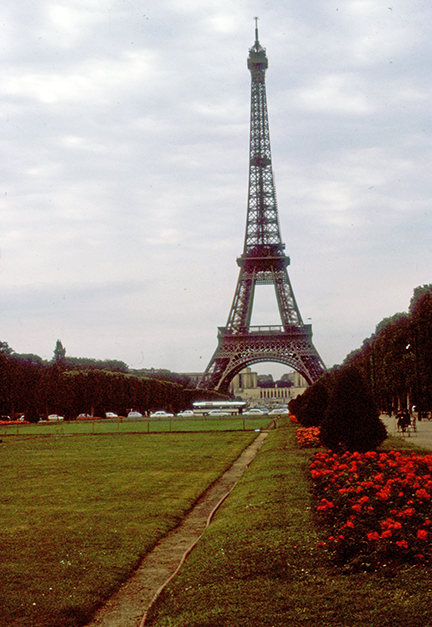
The symbol of Paris is the Eiffel Tower, the 1,083-foot-high wrought-iron lattice tower that opened in 1889 for the World’s Fair that year. It opened only two years and two months after construction started. It was originally intended to be only a temporary exhibit, and was retained essentially because of its value as a radiotelegraph tower. Now, it welcomes more visitors each year than any other monument that charges a fee in the world.

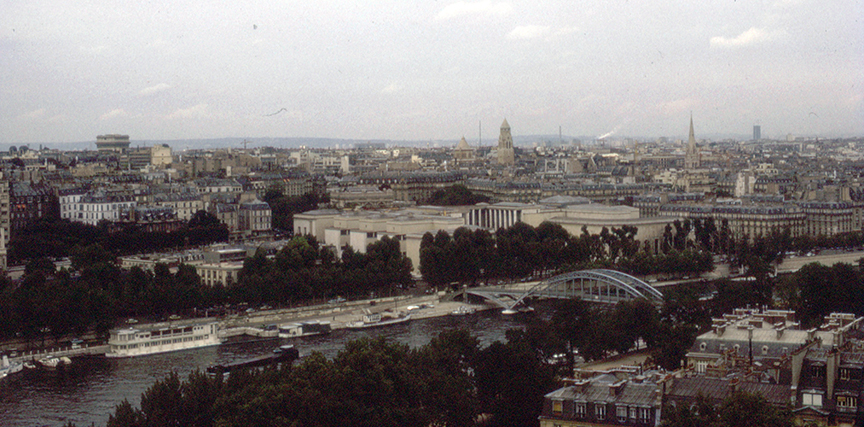
You could get to the first and second levels of the tower by elevator and stairs. Not sure from which level I took this photo of Paris.

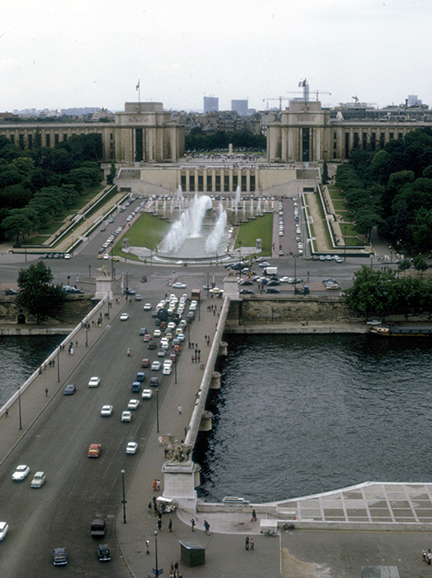
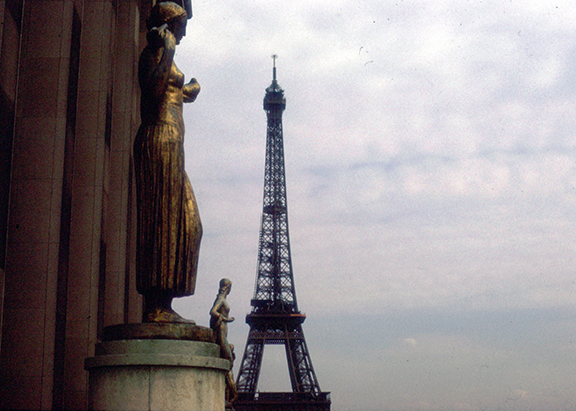
The tower is also bracketed by fountains and gardens. To the northwest, on the other side of the River Seine, are the Trocadero Gardens and fountains, backed by the Palais de Chaillot.

Here’s a photo from the reverse angle and ground-level.

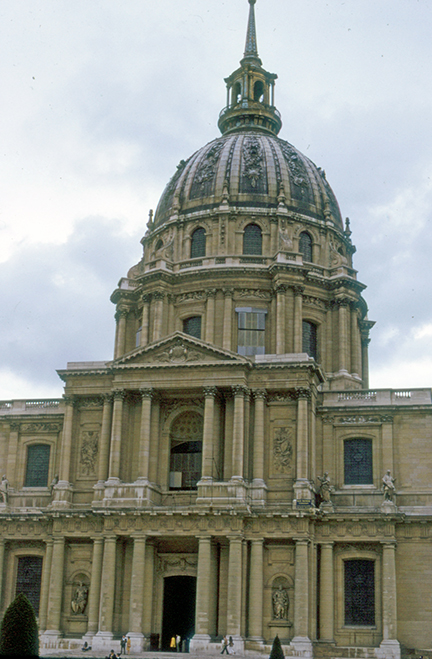
The dome at rear left in the above photo is the Dome des Invalides, the tallest church building in Paris. The dome is a prominent feature of Les Invalides, a complex of buildings, including museums and monuments, all related to the military history of France. 

Dome des Invalides

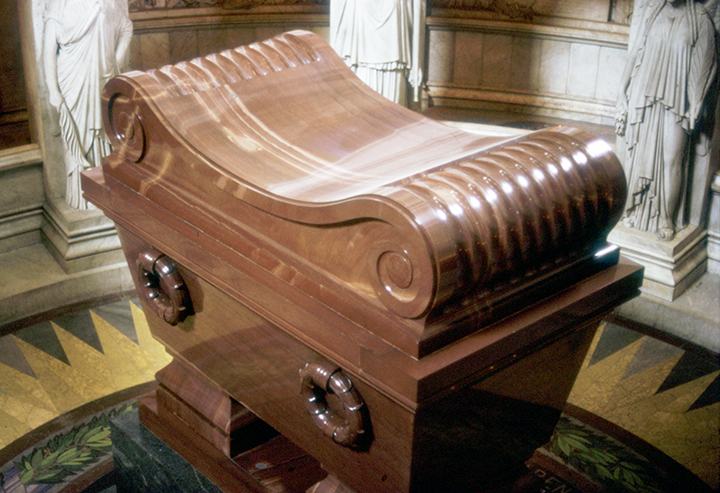
Among the many notable French military figures who are entombed in the complex is the one — Napoleon Bonaparte.

The tomb of Napoleon.

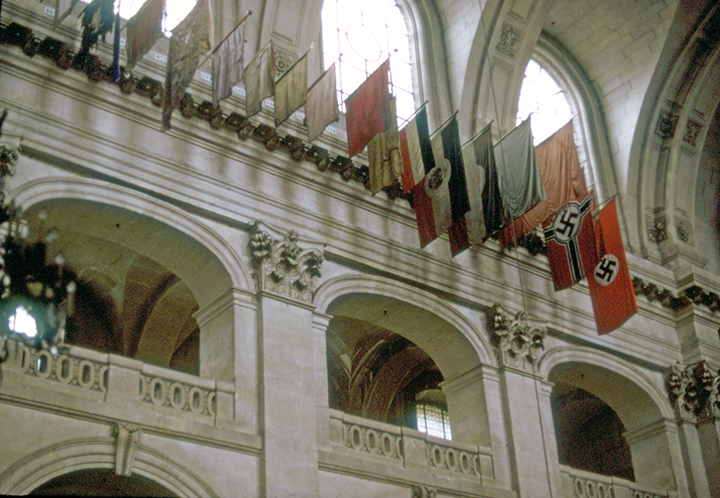
The main hall of the church, Saint-Louis-des-Invalides Cathedral, is lined with battle flags, representing institutions and countries with which France has fought.

Hall of flags

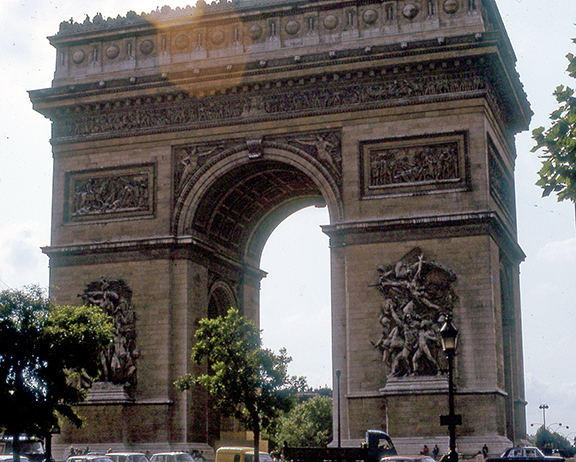
The Arc de Triomphe, of course, is also military-related. Its construction was completed in 1836 and it is to honor those who fought and died for France in the French Revolutionary and Napoleonic wars. Names of battles and generals are inscribed on inner and outer walls. It sits at the western end of the Champs-Élysée.

Arc de Triomphe

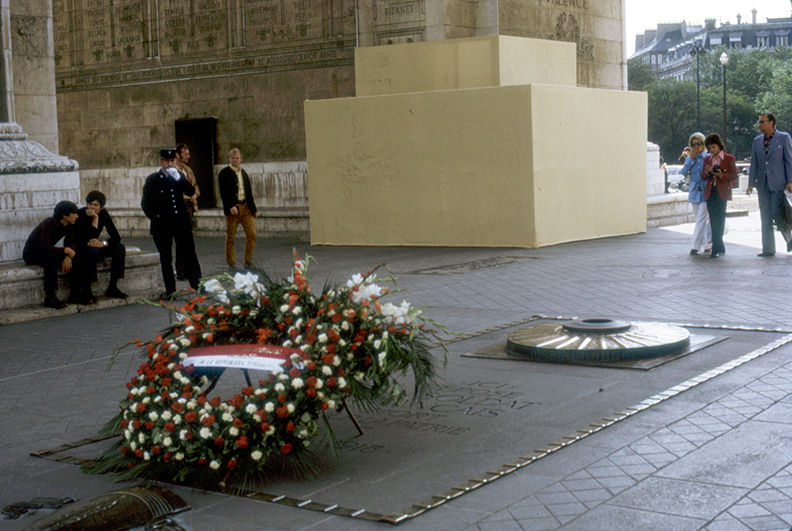
At the base of the monument is the tomb of France’s unknown soldier from World War I.

Tomb of the unknown soldier

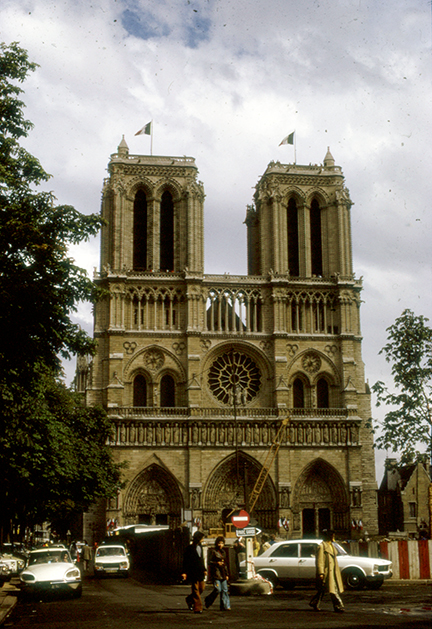
Formally the Cathédrale Notre-Dame de Paris, Notre-Dame is a medieval Catholic church on the ÃŽle de la Cité, an island in the River Seine. Construction started in 1163 and was completed in 1345. It’s considered one of the finest examples of French gothic architecture. And it has no connection at all to the midwestern institution that bears a similar name.

Notre-Dame

The cathedral has been closed since April 2019, when a fire destroyed the roof and spire. The basic structure remained intact, however, and the church is being restored.

Kevin points out that we also visited Le Drugstore, a popular boutique and restaurant located near the Arc de Triomphe on the Champs-Élysée. Researching for this post, I discovered that only three months after we did so, a fire gutted the building in which it was located.  A newer restaurant with the same name is there now.

We also had a culinary experience in Paris that seemed entirely apropos, Kevin reminded me. Each of us for the first time consumed escargot. We split an order of a dozen, he said, daring each other to eat them. I don’t remember my reaction, but I have eaten escargot whenever I’ve had the opportunity since. Love it. Cool that first time was in Paris.

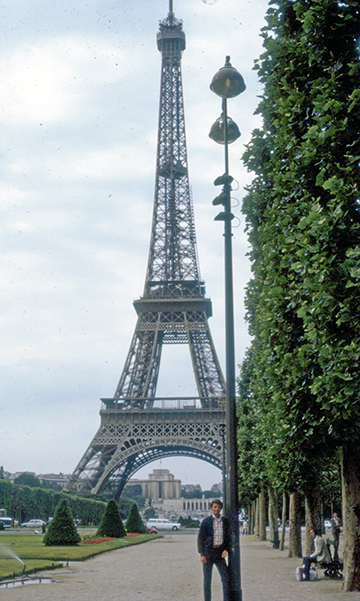
Here are a couple of more photos of the Eiffel Tower, one with a young Americain in it.

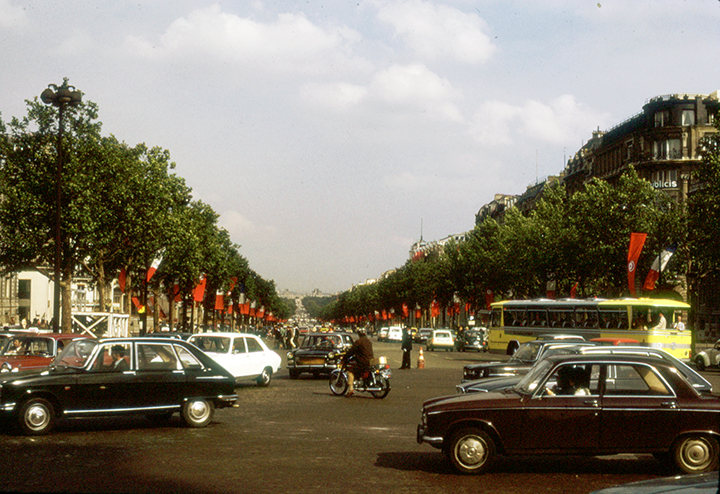
I’m guessing the photo below is of the Champs-Élysée because I don’t why I would have taken the photo otherwise. (Kevin confirms it is the Champs-Élysée.)

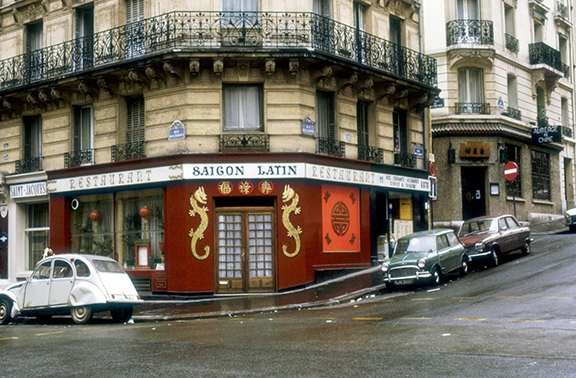
And, finally, a photo of a restaurant near our hotel, I would guess, with an interesting combination of cuisines.

Love the classic Citroën 2CV at left.

I remember that our flight back to Boston was on Air France. I think I recall good food.

This experience was definitely a bucket list kind of thing. Kevin and Debra have made many trips back to Europe. My only subsequent trip to Europe was 47 years after this one, when I and my younger daughter, Julia, visited Berlin and Lithuania. And that’s another story, which, if interested, starts here.


Nice/Monaco

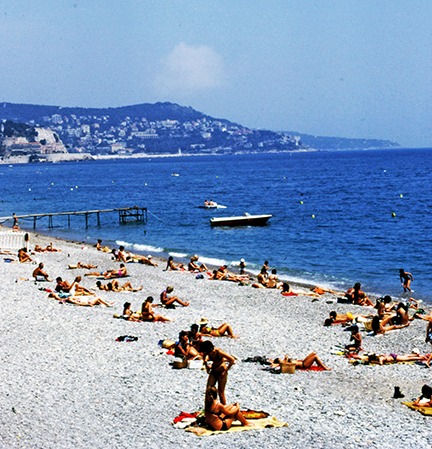
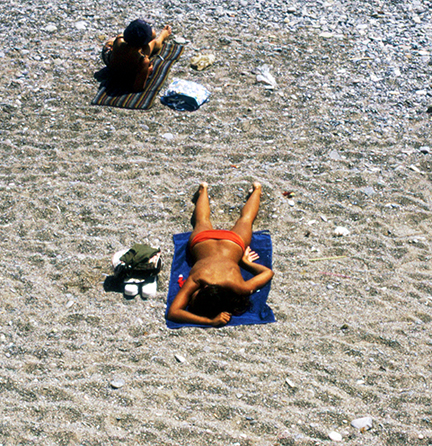
A sunny, rocky beach in the South of France.

Nice (Neese) is nice. I’m pretty sure, however, that our target destination in the south of France was Monaco.

We had pulled into the Nice train station about 2130 last night, 50 years ago. Secured a room at the Hotel Normandie. Our initial experience there probably gave us a jaundiced view of the place and its other clientele. According to my journal, the clerk put our suitcases in the lift and noticed some feces on the floor. He turned and told us it wasn’t from a dog.

We walked up to the room.

And now we’re on something of a free-wheeling description of our last few days in Europe 1972. For whatever reason, my journal of that trip ends with arrival in Nice. My guess is that I either misplaced it or just grew tired of doing it.

So this post and the next will complete the series and they will focus on pictures taken and descriptions of the places/activities in them. And maybe some other memories if they come around again in our heads.

The train trip from Rome took place during the day, but my journal reported we seemed to spend a lot of time in tunnels.

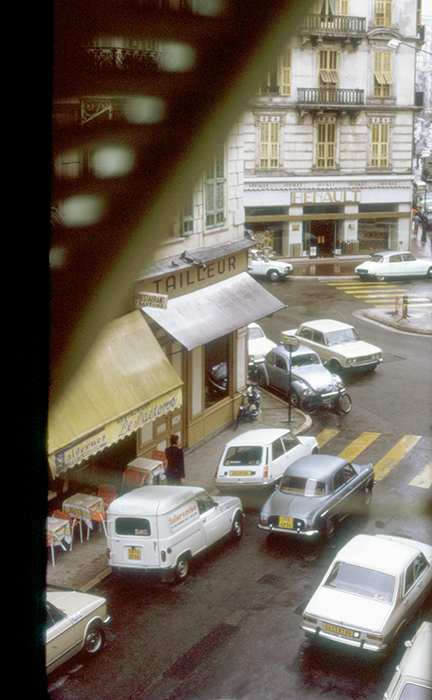
This was the view of Nice from our hotel window.

Most of the time we spent in Nice was most likely at the beach, the picture at the top of the post an example. We didn’t go to sunbath or swim, but to look. We had read, of course, about topless beach-goers in the region, but I don’t recall (and I think I would have) seeing any topless females. Closest was below, but that could have been the same at any US beach.

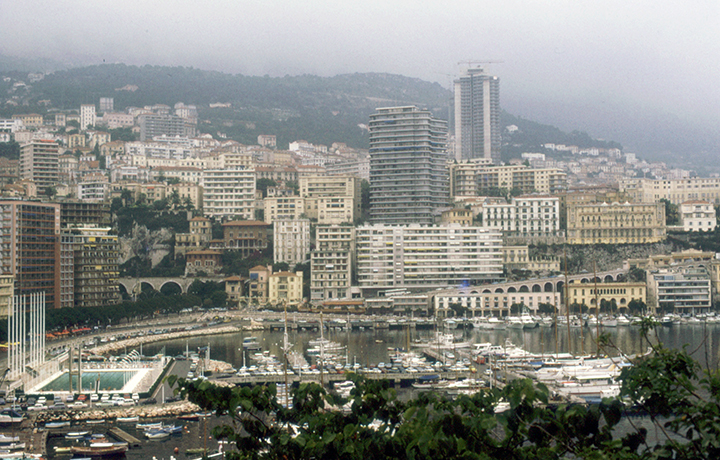
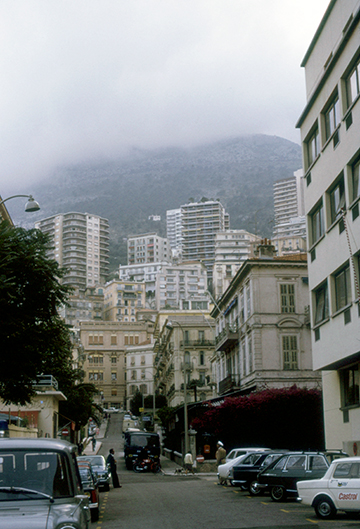
So we spent most of the time in Monaco, the microstate about 15 miles east of Nice on the coast. Monaco is a sovereign, independent principality. It’s the second smallest independent state in the world, only 499 acres in size. Along the coast, however, it packs a lot in a little space, and did 50 years ago.

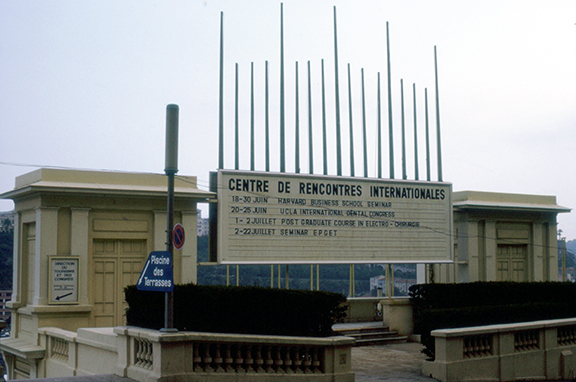
For various reasons, Monaco is a playground for the world’s rich. Megayachts fill the harbor and the well-to-do gather. At the “meeting center” shown below, the Harvard Business School was offering a seminar and UCLA was holding its “international dental congress” while we were there.

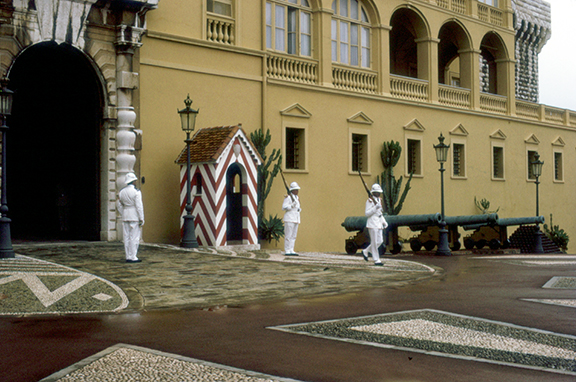
Royalty in Monaco in 1972 was Prince Rainier III and his American wife, the Hollywood princess, Grace Kelly. We visited the Prince’s Palace, but Rainier and Grace were out.

Horse-drawn carriage entrance to the Prince’s Palace, Monaco.

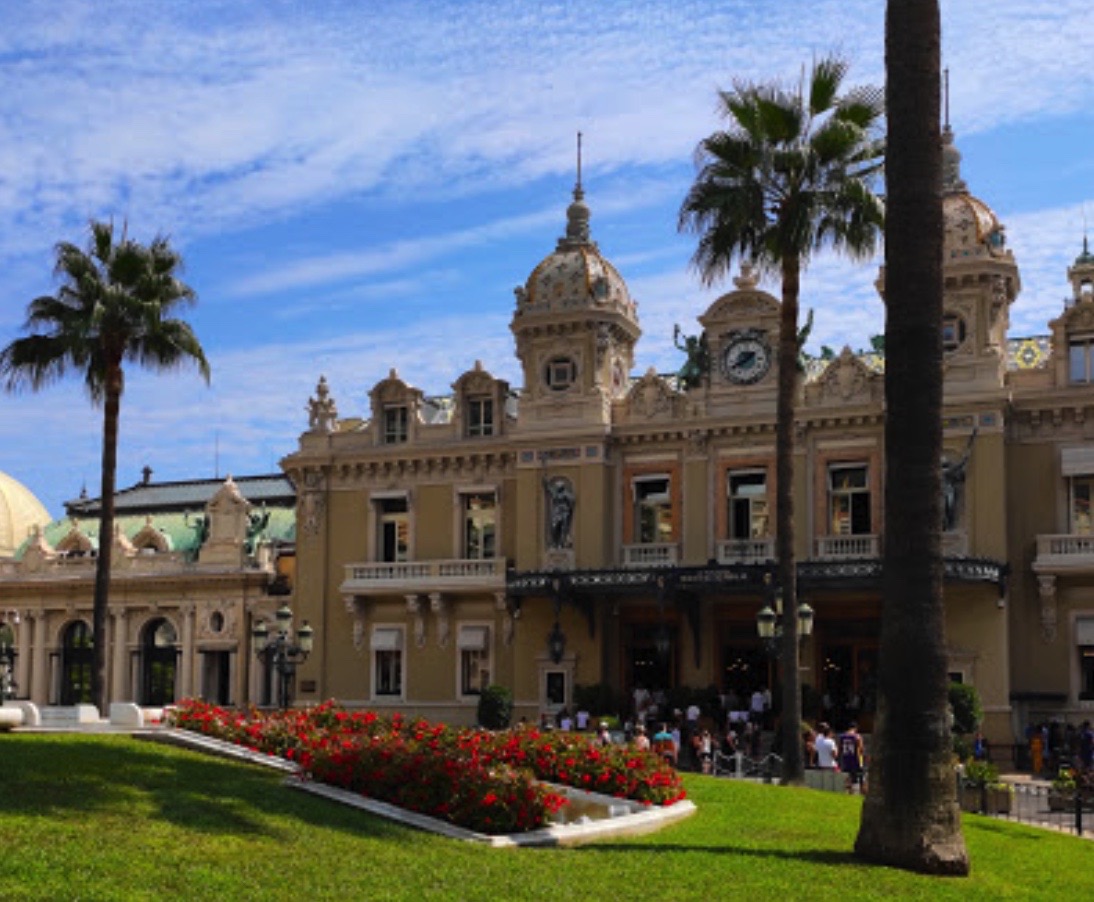
As you can see from the photos, the day was overcast while we were in Monaco, so Kevin and I donned our tuxes and did our best James Bond impressions at the place owned and operated by the Societé des Bains de Mer de Monaco — the Casino. I don’t remember being especially impressed (though this was after seeing a lot of impressive scenes and structures during the previous three weeks). I also don’t remember playing any games of chance.

I took pictures of the place, but can’t find any presently, so below is a modern view procured online. 

Monaco had a population of about 24,000 people in 1972, about a quarter of them French citizens. The UN ranks Monaco these days as the most densely populated state in the world. It was pretty packed back then, too.

We likely spent only a couple of days in Nice/Monaco before heading to Paris, from where we would fly home.

And no, we didn’t have tuxedos.

Rome

Got into Rome late afternoon yesterday 50 years ago. Most comfortable train yet. Got a hotel on the second try and moved into the Pensione Esedra, located at the Piazza della Repubblica (lots of doubles there).

The circular piazza used to be called Piazza dell’Esedra and may have been known by that name 50 years ago. At its center is a fountain, known as the Fountain of the Naiads, constructed in 1888. In classical mythology, naiads were predominantly female water nymph spirits. The fountain is circled by statues of four naked naiads, which apparently caused quite a stir when they were added to the fountain in 1901.

Fountain of the Naiads, Piazza della Repubblica

We ate, that first night, at a place called Piccadilly, “a budget place” (duh), and then spent the rest of the evening on the Via Veneto — walking, sitting, drinking, people-watching. On our first two nights, Fritz, the hotel night manager, had to get up to let us in.

Rode the Metropolitano, Rome’s subway, next morning. Journal: “Not a whole lot better than NYC and only one line.” Rome’s metro is one of the smallest in Europe, with only three lines covering fewer than 40 miles overall. 

We spent the afternoon visiting the Colosseum and roaming around the Forum. Below are galleries of photos from each.

We went other places nearby, too, only proved by photos I took, not memory.

One was Capitoline Hill, one of the “seven hills of Rome.” There we saw the Palazzo Senatorio, designed in large part by Michelangelo. It is fronted by a statue of Marcus Aurelius, a replica of one sculpted by Michaelangelo. The original is in a nearby museum.

Palazzo Senatorio and Marcus Aurelius
Stairs designed by Michelangelo to Palazzo Senatorio

Also visited the Pantheon, completed in the Second Century and one of the few buildings from ancient Rome that has stayed intact. It has been a Catholic church since 609 AD.

This is a gallery of other photos I took in Rome, but I can’t really assign them to a particular place, e.g., museum, etc. They’re interesting, though.

It was a very hot day, temps in the 80s. All the walking around in the heat tuckered us out. We went back to the hotel and took a nap. Then we repeated our first night — Piccadilly and Via Veneto. And Fritz had to let us in again.

The Vatican and Saint Peter’s Cathedral was the focus of the next day. Photos inside the cathedral and Sistine Chapel were not permitted. Journal: “Sistine Chapel wasn’t really as much as I expected. It seemed kind of small.” (Psst, it’s a chapel.) The photos I have are all exteriors, including views from the roof. Here’s a gallery.

At some point, we had also seen the Victor Emmanuel Monument, which commemorates the unification of Italy in 1861 and the first king of Italy. It was built 1888-1911. With its ornamentation, it’s also called the “wedding cake.”

From the Vatican, we returned to the hotel and I spent some time reading The Magus, a 1965 novel by British author John Fowles, that I think was in vogue at the time. We skipped the Piccadilly that night and went to another restaurant. Oops. Kevin ordered a steak and, when we got the bill, learned it cost L2400, which neither of us had expected. The total came to L5000-something! (The exchange rate at the time was US$1=583L so the steak was under $5 and total less than $10. We were used to cheaper.)

We went to the Forum to see it under lights and learned, to our disappointment, they didn’t do that in June at the time. So back again to Via Veneto. And Fritz had to let us in again.

Our last full day in Rome was marked by two significant events. I went to the Embassy and got my new passport. I gave them US$20 in traveler’s checks and got US$8 in change. Then, Kevin and I went to Wimpy’s. I had a Wimpyburger and a strawberry milkshake that came in an eight-ounce glass. I don’t believe I had ever before been to a Wimpy’s and have not gone to one since. And my one time was in Rome!

I read some more of The Magus that afternoon. We went back to the Piccadilly and Via Veneto and got back to the hotel before Fritz had gone to bed. I finished The Magus.

Florence

Florence, nearing sunset, as seen from the Piazzale Michelangelo in June 1972.

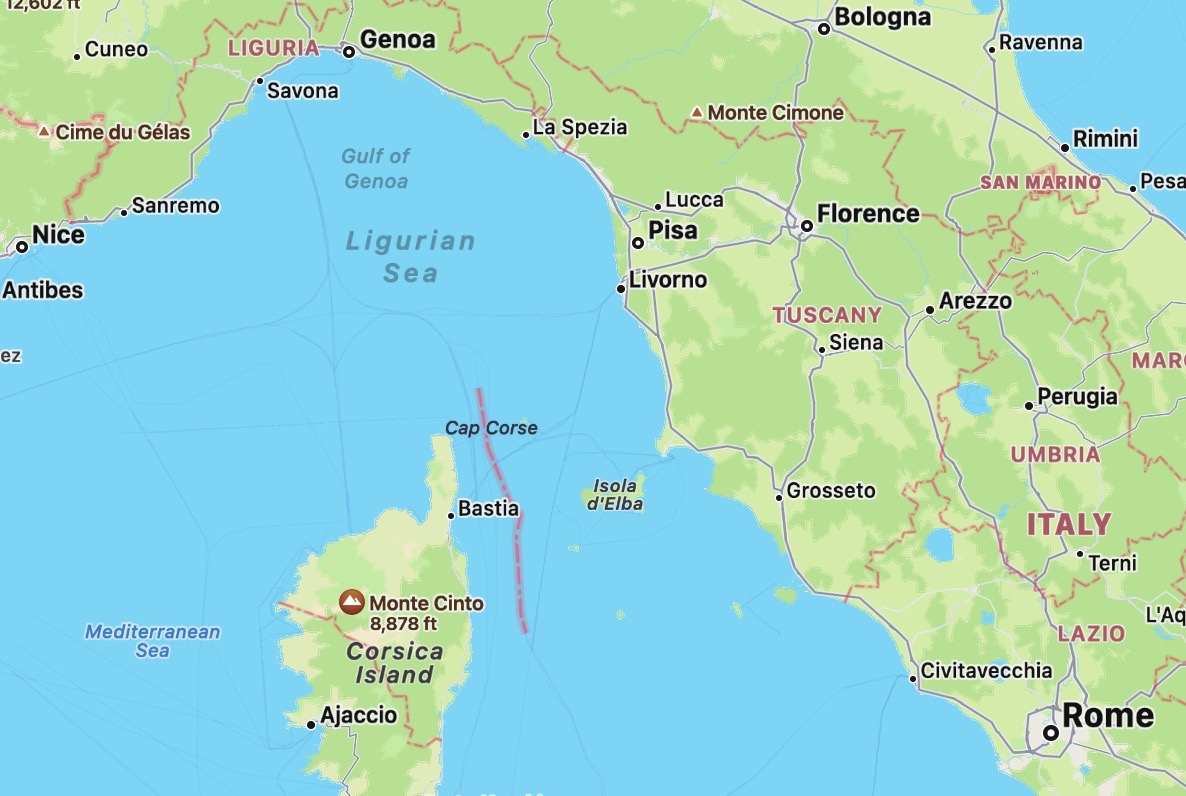
Trip from Venice to Florence was relatively short, as map indicates. Under 130 miles and, reflecting the less-than-speedy nature of the trains of that era, a little over three hours.

Arrived in Florence in early afternoon on this date in 1972. We got a room at the Pensione Il Magnifico on Via de’ Ginori near the Medici chapels. It was there I learned something that would take a lot out of our tourism time — I no longer had my passport.

It was the practice then that you handed over your passport to the hotel or pensione and they held onto it for a day or so. I discovered I had misplaced mine or perhaps it had been stolen. I was fortunate that my Navy identification card was sufficient for the hotel. I still needed to get a replacement passport and that bureaucratic process was “interesting.” I’ll talk more about it at the end of the post and focus first on what we saw and did in Florence.

(Kevin and his wife, Debra, have spent “a great deal of time” visiting Italy over the years since. It’s one of their principal destinations and they’re heading back later this month. On a trip to Florence in the 1990s, Kevin said, he spotted the Il Magnifico and “got ridiculously excited. Deb thought I was crazy.”)

Our visit that day to the Uffizi Galleries, one of the most prominent museums in Italy, was unsuccessful. It was closed. Visiting the Duomo, the cathedral, we saw the “Gates of Paradise.” So termed by Michelangelo, they are the gilded bronze doors created by Lorenzo Ghiberti in the 15th century at the Baptistery of San Giovanni.

The “Gates of Paradise”

After dinner, we went to that famous Italian entertainment venue the Red Garter. Walked in and saw the group from Texas again. “Said hi and chatted. Two girls came in and sat across from us. They were Linda and Tricia from Northern Illinois University. . . . Closed the place and weaved home.” (FYI Red Garter is still there! There’s one in Florence and one in Barcelona.)

Ponte Vecchio

After several hours on passport duty, we walked to the Ponte Vecchio (Old Bridge), a medieval arched bridge over the Arno River. It’s notable for its age and for the many shops built along it, which was common practice long ago. Closed to vehicular traffic, it gets a lot of pedestrians because it connects popular areas of the city.

We used it to cross over to the Piazzale Michelangelo, which was supposed to offer a great view of Florence, especially at sunset. The photo at the top of the post was a little before sunset, but the sun at that angle certainly lit up the Arno.

The view means you’re elevated and that means you’ve climbed up. The Poggi Stairs offer an attractive route. But it’s still a lot of up.

Poggi Stairs

We spent some time in the nearby Boboli Gardens. One of the features of the gardens is the Buontalenti Grotto, featuring unusual 16th century art, some of which are made of stalactites, stalagmites, and sponge-like rocks. It’s different and here’s a gallery.

The Boboli Gardens also feature an “unusual” statue. It’s a 1560 sculpture by Valerio Cioli of an obese naked man sitting on a turtle. Hey, Italy in the mid-1500s was weird, man! It was reportedly inspired by an actual member of the court of Cosimo I de Medici. Here you go.

Our last morning in Florence was at least productive. We arrived at the Galleria del Accademia Museum shortly before it opened at 1000. At the end of a long line, we were pleased to see it move along soon after, but a bunch of folks got off tour buses and just cut in and the line disintegrated into a pushing, shoving mob. Tourists!

Accademia is most famous for the statues by Michelangelo there and the most famous of those is “David.” I took a close-up.

A copy of the full statue was also at Piazzale Michelangelo.

The nearby Medici Chapels featured tombs sculpted by Michelangelo in the mid-1500s for two members of the Medici family. They each feature two figures representing the four periods of the day:

Night and Day
Dusk and Dawn

Back to the passport affair. I had been able on our second day in Florence to get to the American Consulate on Lungarno Amerigo Vespucci. (Interesting in that the term “America” was derived from Amerigo’s name.) Learned I needed to file a report with the local police and also get three more headshots of me.

Made the report to the police at the train station. They were going to type out the report, but they needed “official paper.” And I was to provide that paper. I had to go to a tobacco store and pay L500 for the paper. Brought it back to the station and the police typed up the report. Also got the pictures. Went back to the Consulate with everything and they said they wanted to wait a couple of days to see if the passport turned up. They suggested I visit the embassy in Rome on Friday and have them check back with Florence.

On to Rome!


Venice

Another overnight train ride, leaving a little after midnight in Lucerne and arriving in Milan at 0545. Switched trains and pulled into Venice at 0930 50 years ago today.

After checking into the Pensione Zecchini (Journal: “Not bad, but we may have the smallest room in the place.”), we took Vaporetto  Line #1 (the public water bus system) to Piazza San Marco and then hit the beach. The Lido. Pretty sure I stuck my toe in the Adriatic. (Kevin confirms: “We were determined to take our shoes and socks off so we could say we were actually in the Adriatic . . . and so we did.”)

A vaporetto

St. Mark’s Square is the main public square in Venice. It attracts lots of tourists and even more pigeons. One of its principal visual features is the 323-feet-high Campanile (seen in the photo at the top of the post). (Sather Tower on the campus of UC Berkeley is also known as the Campanile because of its similarity to the one in Venice.)

The Campanile is adjacent to St. Mark’s Basilica, a massive church.

St. Mark’s Basilica

The square was also the site of earthly power, manifested in the Doge’s Palace. Doges were the chief magistrate and leader of the Republic of Venice 726-1797. Each was elected for life by members of the Venetian aristocracy.

Doge’s Palace

The Lido is a seven-mile barrier island in the Lagoon of Venice, with a town also called Lido.  “Sat around Lido, had a couple of Italian beers, and came back.”

A view of the Adriatic from the Blue Moon pizzeria in Lido. The sign has a list of the pizza options.

After naps and dinner, we returned to the Lido to see if its nightlife was more interesting. We noticed the double-decker water bus we had taken in the afternoon had stopped running and we took a smaller boat. We should have gotten the hint. After another couple of hours sitting around, we closed that adventure.

Our second and last day in Venice was spent shopping and chatting with two girls from Canada. Dinner on the last evening was on the Grand Canal and just about everyone in the restaurant was US.

Here is a gallery of other photos from Venice.